Buy baubuero.eu ?
We are moving the project
baubuero.eu .
Are you interested in purchasing the domain
baubuero.eu ?
domain@kv-gmbh.de · 0541-91531010
Buy baubuero.eu ?
How does the card game Wizard, a trick-taking game, work?
In the card game Wizard, players are dealt a hand of cards and must predict how many tricks they will win during the round. The game is played over multiple rounds, with the number of cards dealt increasing each round. Players must follow suit if possible, with the highest card of the leading suit winning the trick. The twist in Wizard is the inclusion of Wizard and Jester cards, which can act as wild cards or change the rules of the game. Points are awarded based on the number of tricks predicted and won, with the player with the most points at the end of the game declared the winner. **
What is the difference between interior architecture and interior design?
Interior architecture focuses on the structural and spatial elements of a space, including the layout, flow, and functionality. It involves designing and coordinating the interior structure of a building, such as walls, ceilings, and floors. On the other hand, interior design focuses on the aesthetics and decorative aspects of a space, including furniture, color schemes, and accessories. It involves creating a cohesive and visually appealing environment that reflects the client's needs and style preferences. While interior architecture deals with the physical structure of a space, interior design focuses on the visual and decorative elements. **
Similar search terms for Trick-taking
Top-Angebote
Products related to Trick-taking:
-
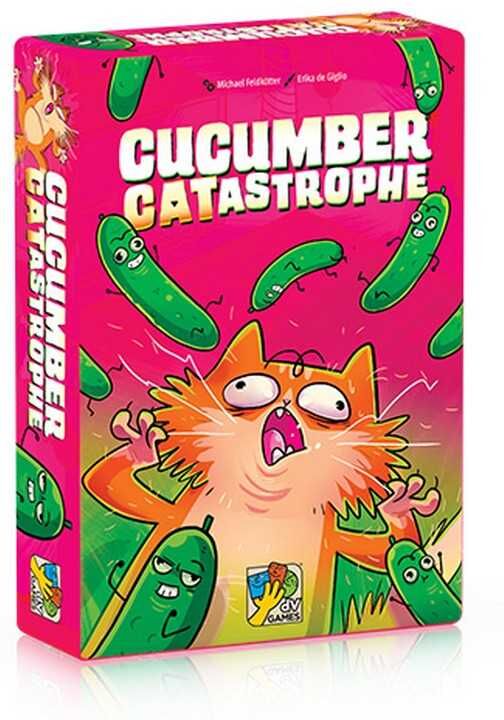
Cucumber Catastrophe - Fast-Paced Trick-Taking Card Game for 2-4 Players, Ages 10+, by daVinci EditriceGet ready for a fast-paced card game where feline players must avoid collecting too many cucumbers. Cucumber Catastrophe is a trick-taking game that requires players to adapt quickly, read the round, and keep their unwanted vegetables to a minimum. The game is played over four hands, with ten tricks in each hand. Players play cards from their hands, and the second card played determines the rule for that round. This rule decides whether the highest or lowest card wins the trick, but rules can be broken, suddenly reversing the expected outcome. Managing the cucumbers shown on the cards is also crucial, as the player with the fewest cucumbers at the end is the winner. With changing conditions and opportunities to disrupt the round, each hand rewards attention, timing, and tactical play.13,01 £*Shipping: 3,95 £Secure redirect to the provider
-
Renegade Game Studio The Fox in the Forest Two-Player Trick-Taking Card Game for Two PlayersThe Fox in the Forest is a two-player trick-taking card game set in a fairytale woodland. Players take turns playing numbered character cards to win tricks, using each character's special ability to influence the round. Winning every trick is not always the best strategy, as players must balance taking enough tricks to score well without becoming too dominant, adding a tactical twist to each hand. The game is designed specifically for two players, making it a great option for game nights at home or on the go. Its compact format makes it easy to take along when space is limited. The game features character abilities that affect play and a small, boxed format.14,59 £*Shipping: 3,95 £Secure redirect to the provider
-
Ravensburger Last Lemming Card Game - Humorous Trick-Taking Game for 3-6 Players, Ages 10+, 72-Card DeckGet ready for a lively tactical card game with Ravensburger's Last Lemming. In this humorous trick-taking game, each trick can move the characters along the track, making winning a delicate balance between progress and safety. Plan your cards carefully, watch your rivals, and choose the right moment to make a move. The game features four acts with changing rules and track arrangements, including 72 playing cards, 20 rule cards, and six character cards. The six character figures bring the race to life on the tabletop, and the game is designed for three to six players, with a two-player variant included. The approximate playing time is 40 minutes. Last Lemming combines familiar trick-taking play with a wonderfully chaotic race towards the cliff, where the aim is to finish each act as far ahead as possible without tumbling over the edge. The game includes four track sections, a scoring board, 30 scoring chips, and game instructions. Suitable for players aged 10 and above.17,13 £*Shipping: 3,95 £Secure redirect to the provider
-
Fried Potatoes Original Card Game - Fast-paced Trick-Taking Game for Family and Friends, Ages 8+, by Fried PotatoesGet ready for a quick and tactical card game where every round leads to a crucial final showdown. In Fried Potatoes Original, players use numbered potato cards in four colours to compete for tricks and manage the pressure of the fryer. The game rewards careful play and a good sense of timing. Although players compete to win tricks throughout the round, only the final trick determines who avoids penalty points. This creates a tense finish in which an apparently strong position can change at the last moment. Key features include a fast-paced trick-taking card game, numbered potato cards in four colours, and strategic play with bluffing and timing. The high-stakes final trick in every round makes it suitable for family and friends' game nights.15,26 £*Shipping: 3,95 £Secure redirect to the provider


-
What is better, product design or interior architecture?
The answer to whether product design or interior architecture is better ultimately depends on personal interests and career goals. Product design involves creating tangible objects that serve a specific function, while interior architecture focuses on designing interior spaces that enhance the user experience. Both fields offer unique opportunities for creativity and innovation, so it is important to consider which aligns more with your passions and strengths. Ultimately, the decision between product design and interior architecture should be based on individual preferences and career aspirations. **
-
How can one study architecture or interior design?
One can study architecture or interior design by enrolling in a formal education program such as a bachelor's or master's degree in architecture or interior design at a university or college. These programs typically cover design principles, building technology, history of architecture, and practical skills such as drafting and computer-aided design. Additionally, gaining practical experience through internships or apprenticeships with established architects or designers can provide valuable hands-on learning opportunities. Networking with professionals in the field and attending workshops, conferences, and exhibitions can also help in expanding one's knowledge and skills in architecture or interior design. **
-
How can one transition from interior design to architecture?
One can transition from interior design to architecture by pursuing further education and obtaining a degree in architecture. This will provide a deeper understanding of structural design, building systems, and construction methods. Additionally, gaining experience in architectural firms or working on architectural projects can help in making the transition. It is also important to develop a strong portfolio that showcases architectural design skills and knowledge. Networking with architects and seeking mentorship can also be beneficial in making the transition from interior design to architecture. **
-
What is the difference between interior design and architecture?
Interior design focuses on the aesthetic and functional aspects of the interior spaces within a building, including furniture, color schemes, and decor. It involves creating a cohesive and visually appealing environment that meets the needs and preferences of the occupants. On the other hand, architecture is the art and science of designing and constructing buildings and other physical structures. It encompasses the overall design, structural integrity, and functionality of the entire building, including the exterior and interior spaces. While interior design focuses on the interior environment, architecture encompasses the entire built environment. **

Is the following trick a narcissistic trick?
Without knowing the specific trick in question, it is difficult to determine if it is narcissistic. However, narcissistic behavior typically involves seeking excessive admiration, exploiting others for personal gain, and lacking empathy. If the trick involves manipulating or deceiving others for personal gain or to boost one's ego, it could be considered narcissistic. It is important to consider the intentions and impact of the trick on others to determine if it aligns with narcissistic behavior. **
How can one switch from studying architecture to interior design?
To switch from studying architecture to interior design, one can start by researching the specific requirements and courses needed for a degree in interior design. It may be necessary to take additional classes or pursue a new degree program focused on interior design. Building a portfolio that showcases relevant skills and projects related to interior design can also help in making the transition. Networking with professionals in the interior design field and seeking internships or job opportunities in interior design firms can provide valuable experience and connections. **
Top-Angebote
Products related to Trick-taking:
-
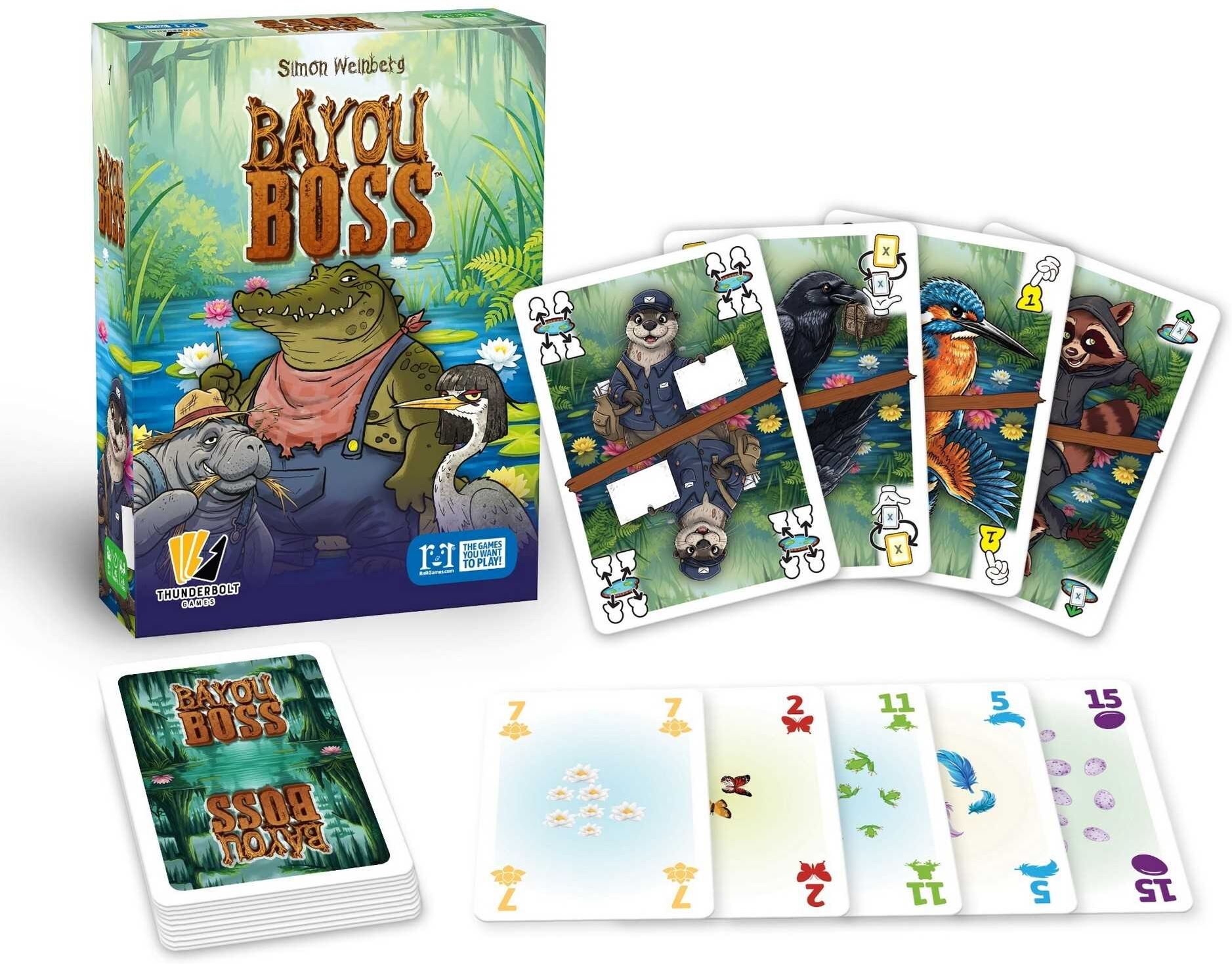
Bayou Boss - Strategic Trick-Taking Card Game for 2-6 Players by R & R GamesBecome the boss of the bayou with Bayou Boss, a strategic trick-taking card game set in the lively world of the Big Bayou. Players compete to outwit one another, but winning tricks is not the aim. At the end of the game, the player who has collected the fewest tricks claims victory. Each round adds another layer of strategy as players take turns choosing cards from the face-up selection in the centre of the table. Careful planning and timing are essential, as taking the best-looking option may leave you with an unwanted combination later. Read the table, manipulate your opponents, and time your choices carefully as you work towards becoming the ultimate Bayou Boss. This game features sly trick-taking gameplay with an unusual winning condition, face-up card selection, and encourages planning, bluffing, and careful observation. It's a compact card-game format perfect for tabletop play.15,09 £*Shipping: 3,95 £Secure redirect to the provider
-
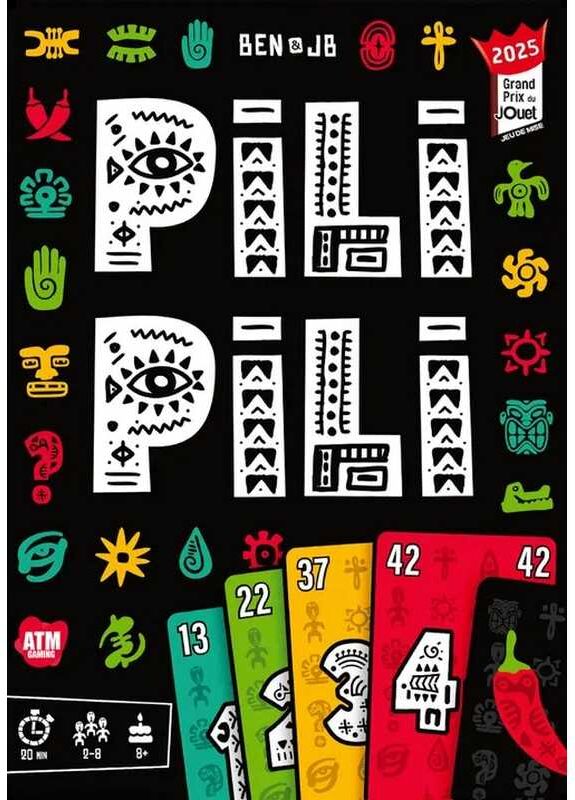
Pili Pili Card Game by ATM Gaming, Ages 8+, Trick-Taking Card Game with Variable MissionsPili Pili is a fast-moving trick-taking card game that challenges players to plan, predict, and adapt their strategies. Each round, players receive five numbered cards and take turns playing one card at a time. The highest-numbered card wins the trick, but success depends on more than just playing the biggest card. Before the round begins, each player predicts how many tricks they expect to win. Matching that prediction earns progress, while missing it brings penalties. With variable missions and a compact format, every hand encourages players to think strategically and adjust their tactics as the cards are revealed. To play, deal five cards to each player, have them secretly bet on the number of tricks they expect to win, and then play one card per turn, with the highest number taking the trick. Compare the result with each player's prediction and apply penalties where required. Pili Pili offers accessible rules with plenty of room for thoughtful decisions, making it a great choice for families and casual gamers alike.11,35 £*Shipping: 3,95 £Secure redirect to the provider
-
Cucumber Catastrophe - Fast-Paced Trick-Taking Card Game for 2-4 Players, Ages 10+, by daVinci EditriceGet ready for a fast-paced card game where feline players must avoid collecting too many cucumbers. Cucumber Catastrophe is a trick-taking game that requires players to adapt quickly, read the round, and keep their unwanted vegetables to a minimum. The game is played over four hands, with ten tricks in each hand. Players play cards from their hands, and the second card played determines the rule for that round. This rule decides whether the highest or lowest card wins the trick, but rules can be broken, suddenly reversing the expected outcome. Managing the cucumbers shown on the cards is also crucial, as the player with the fewest cucumbers at the end is the winner. With changing conditions and opportunities to disrupt the round, each hand rewards attention, timing, and tactical play.13,01 £*Shipping: 3,95 £Secure redirect to the provider
-
Renegade Game Studio The Fox in the Forest Two-Player Trick-Taking Card Game for Two PlayersThe Fox in the Forest is a two-player trick-taking card game set in a fairytale woodland. Players take turns playing numbered character cards to win tricks, using each character's special ability to influence the round. Winning every trick is not always the best strategy, as players must balance taking enough tricks to score well without becoming too dominant, adding a tactical twist to each hand. The game is designed specifically for two players, making it a great option for game nights at home or on the go. Its compact format makes it easy to take along when space is limited. The game features character abilities that affect play and a small, boxed format.14,59 £*Shipping: 3,95 £Secure redirect to the provider
-
How does the card game Wizard, a trick-taking game, work?
In the card game Wizard, players are dealt a hand of cards and must predict how many tricks they will win during the round. The game is played over multiple rounds, with the number of cards dealt increasing each round. Players must follow suit if possible, with the highest card of the leading suit winning the trick. The twist in Wizard is the inclusion of Wizard and Jester cards, which can act as wild cards or change the rules of the game. Points are awarded based on the number of tricks predicted and won, with the player with the most points at the end of the game declared the winner. **
-
What is the difference between interior architecture and interior design?
Interior architecture focuses on the structural and spatial elements of a space, including the layout, flow, and functionality. It involves designing and coordinating the interior structure of a building, such as walls, ceilings, and floors. On the other hand, interior design focuses on the aesthetics and decorative aspects of a space, including furniture, color schemes, and accessories. It involves creating a cohesive and visually appealing environment that reflects the client's needs and style preferences. While interior architecture deals with the physical structure of a space, interior design focuses on the visual and decorative elements. **
-
What is better, product design or interior architecture?
The answer to whether product design or interior architecture is better ultimately depends on personal interests and career goals. Product design involves creating tangible objects that serve a specific function, while interior architecture focuses on designing interior spaces that enhance the user experience. Both fields offer unique opportunities for creativity and innovation, so it is important to consider which aligns more with your passions and strengths. Ultimately, the decision between product design and interior architecture should be based on individual preferences and career aspirations. **
-
How can one study architecture or interior design?
One can study architecture or interior design by enrolling in a formal education program such as a bachelor's or master's degree in architecture or interior design at a university or college. These programs typically cover design principles, building technology, history of architecture, and practical skills such as drafting and computer-aided design. Additionally, gaining practical experience through internships or apprenticeships with established architects or designers can provide valuable hands-on learning opportunities. Networking with professionals in the field and attending workshops, conferences, and exhibitions can also help in expanding one's knowledge and skills in architecture or interior design. **
Similar search terms for Trick-taking
-
Ravensburger Last Lemming Card Game - Humorous Trick-Taking Game for 3-6 Players, Ages 10+, 72-Card DeckGet ready for a lively tactical card game with Ravensburger's Last Lemming. In this humorous trick-taking game, each trick can move the characters along the track, making winning a delicate balance between progress and safety. Plan your cards carefully, watch your rivals, and choose the right moment to make a move. The game features four acts with changing rules and track arrangements, including 72 playing cards, 20 rule cards, and six character cards. The six character figures bring the race to life on the tabletop, and the game is designed for three to six players, with a two-player variant included. The approximate playing time is 40 minutes. Last Lemming combines familiar trick-taking play with a wonderfully chaotic race towards the cliff, where the aim is to finish each act as far ahead as possible without tumbling over the edge. The game includes four track sections, a scoring board, 30 scoring chips, and game instructions. Suitable for players aged 10 and above.17,13 £*Shipping: 3,95 £Secure redirect to the provider
-
Fried Potatoes Original Card Game - Fast-paced Trick-Taking Game for Family and Friends, Ages 8+, by Fried PotatoesGet ready for a quick and tactical card game where every round leads to a crucial final showdown. In Fried Potatoes Original, players use numbered potato cards in four colours to compete for tricks and manage the pressure of the fryer. The game rewards careful play and a good sense of timing. Although players compete to win tricks throughout the round, only the final trick determines who avoids penalty points. This creates a tense finish in which an apparently strong position can change at the last moment. Key features include a fast-paced trick-taking card game, numbered potato cards in four colours, and strategic play with bluffing and timing. The high-stakes final trick in every round makes it suitable for family and friends' game nights.15,26 £*Shipping: 3,95 £Secure redirect to the provider
-
Peanuts Talent Show! Card Game for 2-4 Players, Ages 8+, by CoolMiniOrNot Inc, Trick-Taking Deck-Building GameStep into the spotlight with the Peanuts gang in a lively card game that combines trick-taking with deck-building. Each player leads a cast of performers, aiming to play the right cards, win rounds, and collect coins. As the show progresses, use your earnings to recruit additional acts and strengthen your deck. Building an effective cast and choosing when to play your cards are central to the game, creating a different challenge as the talent show unfolds. To play, simply play cards to compete in each round, win rounds to earn coins, and use coins to recruit new performers. Improve your deck and compete for the strongest performance. With its Peanuts theme and accessible combination of card-play mechanics, this game is designed for game nights with family and friends. The compact box is convenient to store and bring to the table for a playful competition featuring Charlie Brown, Snoopy, and their friends.16,49 £*Shipping: 3,95 £Secure redirect to the provider
-
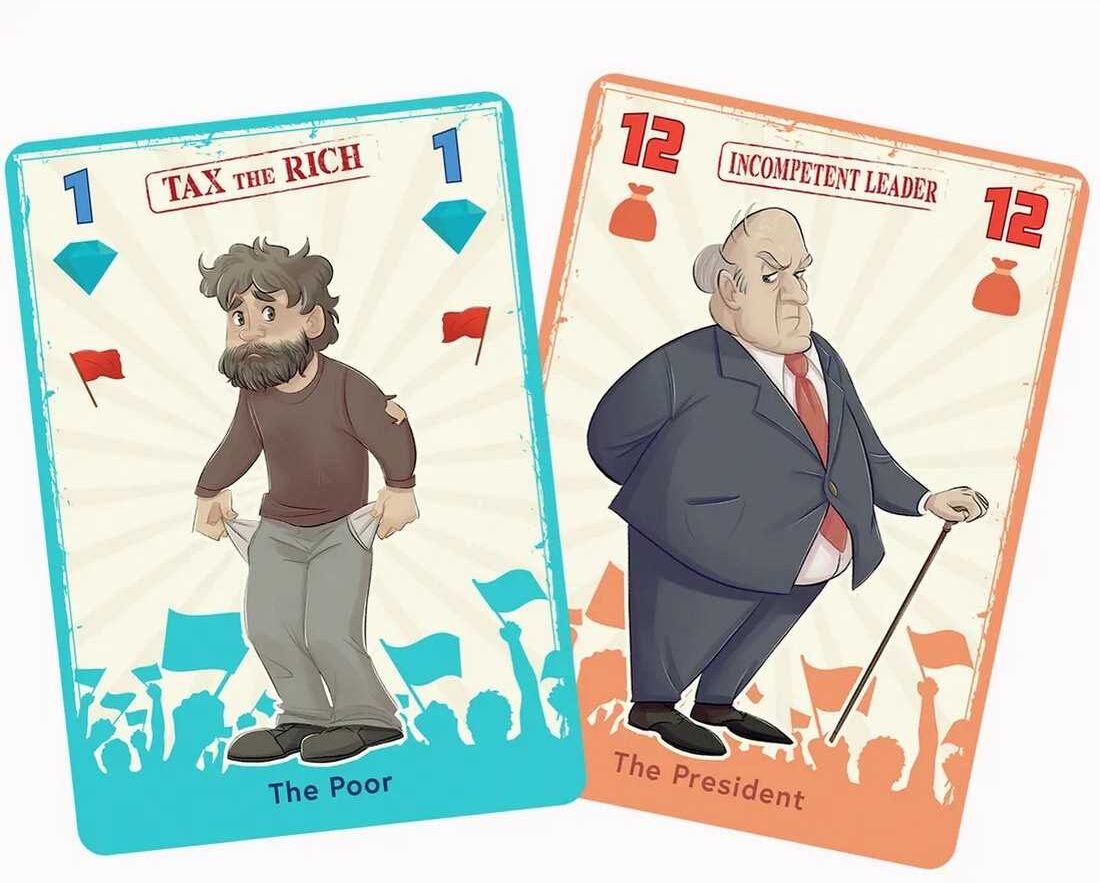
Tax the Rich Card Game by Alion Games - Trick-Taking Game for 2-4 Players, Ages 10+, Teamwork and StrategyTax the Rich is a trick-taking card game that combines bidding, teamwork, and tactical decision-making. Each round begins with a bidding phase, where players compete to determine the trump colour and the number of tricks required to earn bonus points. The successful bidder must then work with an ally to secure the required number of tricks. The deck features characters representing different social ranks, from the Poor to the President, giving each hand a distinctive personality. The game's changing objectives from round to round add a layer of strategy. Tax the Rich is a physical card game suitable for game nights, family collections, and players who enjoy competitive card-based strategy.14,79 £*Shipping: 3,95 £Secure redirect to the provider
-
How can one transition from interior design to architecture?
One can transition from interior design to architecture by pursuing further education and obtaining a degree in architecture. This will provide a deeper understanding of structural design, building systems, and construction methods. Additionally, gaining experience in architectural firms or working on architectural projects can help in making the transition. It is also important to develop a strong portfolio that showcases architectural design skills and knowledge. Networking with architects and seeking mentorship can also be beneficial in making the transition from interior design to architecture. **
-
What is the difference between interior design and architecture?
Interior design focuses on the aesthetic and functional aspects of the interior spaces within a building, including furniture, color schemes, and decor. It involves creating a cohesive and visually appealing environment that meets the needs and preferences of the occupants. On the other hand, architecture is the art and science of designing and constructing buildings and other physical structures. It encompasses the overall design, structural integrity, and functionality of the entire building, including the exterior and interior spaces. While interior design focuses on the interior environment, architecture encompasses the entire built environment. **
-
Is the following trick a narcissistic trick?
Without knowing the specific trick in question, it is difficult to determine if it is narcissistic. However, narcissistic behavior typically involves seeking excessive admiration, exploiting others for personal gain, and lacking empathy. If the trick involves manipulating or deceiving others for personal gain or to boost one's ego, it could be considered narcissistic. It is important to consider the intentions and impact of the trick on others to determine if it aligns with narcissistic behavior. **
-
How can one switch from studying architecture to interior design?
To switch from studying architecture to interior design, one can start by researching the specific requirements and courses needed for a degree in interior design. It may be necessary to take additional classes or pursue a new degree program focused on interior design. Building a portfolio that showcases relevant skills and projects related to interior design can also help in making the transition. Networking with professionals in the interior design field and seeking internships or job opportunities in interior design firms can provide valuable experience and connections. **
* All prices are inclusive of VAT and, if applicable, plus shipping costs. The offer information is based on the details provided by the respective shop and is updated through automated processes. Real-time updates do not occur, so deviations can occur in individual cases. ** Note: Parts of this content were created by AI.