Buy baubuero.eu ?
We are moving the project
baubuero.eu .
Are you interested in purchasing the domain
baubuero.eu ?
domain@kv-gmbh.de · 0541-91531010
Buy baubuero.eu ?
Do German pine trees have pine nuts?
No, German pine trees do not produce pine nuts. Pine nuts are typically produced by certain species of pine trees found in regions like the Mediterranean and Asia. In Germany, the most common species of pine trees are the Scots pine and the mountain pine, neither of which produce edible pine nuts. **
What are essential and non-essential needs?
Essential needs are items or services that are necessary for survival and well-being, such as food, water, shelter, and healthcare. Non-essential needs are things that are not necessary for survival but can enhance quality of life, such as entertainment, luxury items, and travel. Distinguishing between essential and non-essential needs can help individuals prioritize their spending and focus on what is most important for their overall well-being. **

Similar search terms for Aromasensia-Pine-Sylvestris-Essential
Top-Angebote
Products related to Aromasensia-Pine-Sylvestris-Essential:
-
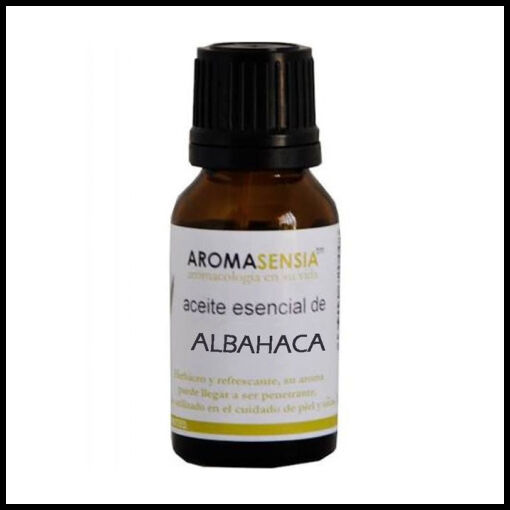
Aromasensia Basil Essential OilNutrition and Supplements Natural Extracts Aromasensia Basil Essential Oil The essential oil of basil has a sweet and slightly spicy aroma. It is an invigorating tonic, clarifies the mind and promotes concentration, especially in times of fatigue. External use. It is recommended that it be applied diluted in a vegetable oil (almonds, avocado, rice germ, grape seeds...) or added to bath water. It is also suitable for use in essential oil diffusers.6,61 £*Shipping: 3,99 £Secure redirect to the provider
-
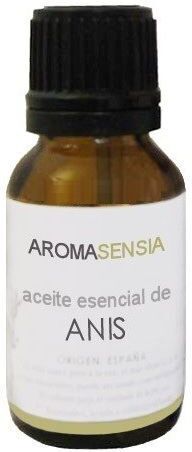
Aromasensia Aniseed Essential OilHealth and Beauty First aid kit Aromasensia Aniseed Essential Oil Aromasensia essential oil of anis 15ml. It is extracted from the seeds of the herb Pimpinella anisum (also known as Pimpinella officinale and Pimpinella vulgare), of the umbelliferae family. It has a spicy smell similar to liquorice and is also known as sweet cumin. It should not be confused with Illicium verum, which is star anise and belongs to the Illiciaceae family. This spicy essential oil is often used in aromatherapy to relieve discomfort in introverted and fearful people. It is also used to aid digestion, increase lung capacity and relieve migraines and headaches. The oil is of medium viscosity and solidifies at low temperatures and may need to be heated by hand before use. The oil is extracted by steam distillation from the dried ripe fruit and seeds.5,59 £*Shipping: 3,99 £Secure redirect to the provider
-
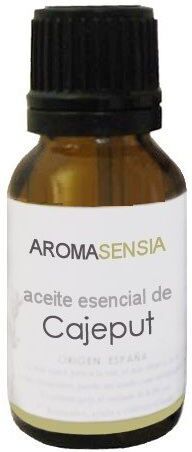
Aromasensia Cajeput Essential OilNutrition and Supplements Natural Extracts Aromasensia Cajeput Essential Oil Cajeput essential oil has a pungent camphorous smell, very similar to eucalyptus. It is very useful in winter for its decongestant properties. For external use. It is recommended that the essential oils used on the skin are diluted either in some vegetable oil of good penetration (almonds, rice germ, grape seeds, avocado...) or in the bath water. It can also be used in diffusers.4,96 £*Shipping: 3,99 £Secure redirect to the provider
-
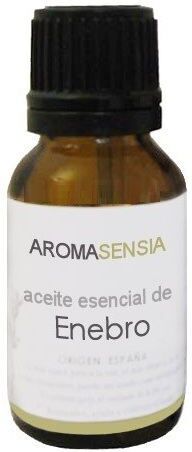
Aromasensia Juniper Essential OilHealth and Beauty Creams Aromasensia Juniper Essential Oil Juniper essential oil has a refreshing aroma, slightly woody astringent and antiseptic properties, is ideal for oily skin is diuretic and detoxifying. In the bath water fights cellulite for a healthy and strong hair, add a few drops to your usual shampoo combines well with grapefruit, geranium and rosemary.7,73 £*Shipping: 3,99 £Secure redirect to the provider
-
What is the difference between interior architecture and interior design?
Interior architecture focuses on the structural and spatial elements of a space, including the layout, flow, and functionality. It involves designing and coordinating the interior structure of a building, such as walls, ceilings, and floors. On the other hand, interior design focuses on the aesthetics and decorative aspects of a space, including furniture, color schemes, and accessories. It involves creating a cohesive and visually appealing environment that reflects the client's needs and style preferences. While interior architecture deals with the physical structure of a space, interior design focuses on the visual and decorative elements. **
-
What are essential and non-essential amino acids?
Essential amino acids are amino acids that cannot be synthesized by the body and must be obtained from the diet. There are nine essential amino acids: histidine, isoleucine, leucine, lysine, methionine, phenylalanine, threonine, tryptophan, and valine. Non-essential amino acids, on the other hand, are amino acids that the body can produce on its own, so they do not need to be obtained from the diet. There are 11 non-essential amino acids: alanine, arginine, asparagine, aspartic acid, cysteine, glutamic acid, glutamine, glycine, proline, serine, and tyrosine. Both essential and non-essential amino acids are crucial for the synthesis of proteins and other important molecules in the body. **
-
'Pine lower classifications'
Pine trees belong to the genus Pinus, which is further classified into subgenera, sections, and subsections. The lower classifications of pine trees include various species such as Pinus sylvestris (Scots pine), Pinus ponderosa (Ponderosa pine), and Pinus radiata (Monterey pine). Each species has its own unique characteristics, distribution, and uses, making them important components of forest ecosystems worldwide. **
-
'Birch or pine?'
It ultimately depends on the specific use and desired aesthetic. Birch is known for its light color and smooth texture, making it popular for furniture and decorative items. Pine, on the other hand, is often used for construction and outdoor projects due to its strength and natural resistance to decay. Both woods have their own unique characteristics and can be beautiful choices depending on the intended application. **


How can one distinguish between mountain pine and forest pine?
One way to distinguish between mountain pine and forest pine is by looking at their habitat. Mountain pine is typically found at higher elevations in mountainous regions, while forest pine is found in lower elevation forests. Additionally, the needles of mountain pine are often shorter and more densely packed, while the needles of forest pine are longer and more spread out. The cones of mountain pine are also typically smaller and more rounded, while the cones of forest pine are larger and more elongated. **
What is better, product design or interior architecture?
The answer to whether product design or interior architecture is better ultimately depends on personal interests and career goals. Product design involves creating tangible objects that serve a specific function, while interior architecture focuses on designing interior spaces that enhance the user experience. Both fields offer unique opportunities for creativity and innovation, so it is important to consider which aligns more with your passions and strengths. Ultimately, the decision between product design and interior architecture should be based on individual preferences and career aspirations. **
Top-Angebote
Products related to Aromasensia-Pine-Sylvestris-Essential:
-
Aromasensia Pine Sylvestris Essential Oil 15 mlNutrition and Supplements Natural Extracts Aromasensia Pine Sylvestris Essential Oil 15 ml Pine essential oil is lightening and deodorizing. Excellent as an air freshener and antiseptic. External use. It is recommended that the essential oils used on the skin are well diluted in some vegetable oil with good penetration (almonds, avocado, grape seed, rice germ.) Or added to bath water. It can also be used in diffusers.4,69 £*Shipping: 3,99 £Secure redirect to the provider
-
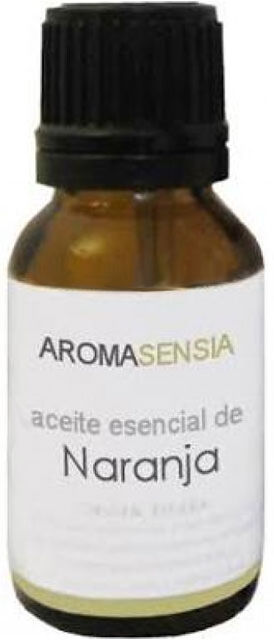
Aromasensia Aromasensia orange essential oil 15ml. 15 mlHealth and Beauty First aid kit Aromasensia Aromasensia orange essential oil 15ml. 15 ml Relaxing and euphoric, warm aroma. Helps to fall asleep. Add to bath water or in an oil burner. Blends well with other oils. In Aromatherapy it is used as a soothing, relaxing, expectorant, sedative, bactericide, antiseptic, detoxifying, tonic for the digestive system and refreshing.3,95 £*Shipping: 3,99 £Secure redirect to the provider
-
Aromasensia Basil Essential OilNutrition and Supplements Natural Extracts Aromasensia Basil Essential Oil The essential oil of basil has a sweet and slightly spicy aroma. It is an invigorating tonic, clarifies the mind and promotes concentration, especially in times of fatigue. External use. It is recommended that it be applied diluted in a vegetable oil (almonds, avocado, rice germ, grape seeds...) or added to bath water. It is also suitable for use in essential oil diffusers.6,61 £*Shipping: 3,99 £Secure redirect to the provider
-
Aromasensia Aniseed Essential OilHealth and Beauty First aid kit Aromasensia Aniseed Essential Oil Aromasensia essential oil of anis 15ml. It is extracted from the seeds of the herb Pimpinella anisum (also known as Pimpinella officinale and Pimpinella vulgare), of the umbelliferae family. It has a spicy smell similar to liquorice and is also known as sweet cumin. It should not be confused with Illicium verum, which is star anise and belongs to the Illiciaceae family. This spicy essential oil is often used in aromatherapy to relieve discomfort in introverted and fearful people. It is also used to aid digestion, increase lung capacity and relieve migraines and headaches. The oil is of medium viscosity and solidifies at low temperatures and may need to be heated by hand before use. The oil is extracted by steam distillation from the dried ripe fruit and seeds.5,59 £*Shipping: 3,99 £Secure redirect to the provider
-
Do German pine trees have pine nuts?
No, German pine trees do not produce pine nuts. Pine nuts are typically produced by certain species of pine trees found in regions like the Mediterranean and Asia. In Germany, the most common species of pine trees are the Scots pine and the mountain pine, neither of which produce edible pine nuts. **
-
What are essential and non-essential needs?
Essential needs are items or services that are necessary for survival and well-being, such as food, water, shelter, and healthcare. Non-essential needs are things that are not necessary for survival but can enhance quality of life, such as entertainment, luxury items, and travel. Distinguishing between essential and non-essential needs can help individuals prioritize their spending and focus on what is most important for their overall well-being. **
-
What is the difference between interior architecture and interior design?
Interior architecture focuses on the structural and spatial elements of a space, including the layout, flow, and functionality. It involves designing and coordinating the interior structure of a building, such as walls, ceilings, and floors. On the other hand, interior design focuses on the aesthetics and decorative aspects of a space, including furniture, color schemes, and accessories. It involves creating a cohesive and visually appealing environment that reflects the client's needs and style preferences. While interior architecture deals with the physical structure of a space, interior design focuses on the visual and decorative elements. **
-
What are essential and non-essential amino acids?
Essential amino acids are amino acids that cannot be synthesized by the body and must be obtained from the diet. There are nine essential amino acids: histidine, isoleucine, leucine, lysine, methionine, phenylalanine, threonine, tryptophan, and valine. Non-essential amino acids, on the other hand, are amino acids that the body can produce on its own, so they do not need to be obtained from the diet. There are 11 non-essential amino acids: alanine, arginine, asparagine, aspartic acid, cysteine, glutamic acid, glutamine, glycine, proline, serine, and tyrosine. Both essential and non-essential amino acids are crucial for the synthesis of proteins and other important molecules in the body. **
Similar search terms for Aromasensia-Pine-Sylvestris-Essential
-
Aromasensia Cajeput Essential OilNutrition and Supplements Natural Extracts Aromasensia Cajeput Essential Oil Cajeput essential oil has a pungent camphorous smell, very similar to eucalyptus. It is very useful in winter for its decongestant properties. For external use. It is recommended that the essential oils used on the skin are diluted either in some vegetable oil of good penetration (almonds, rice germ, grape seeds, avocado...) or in the bath water. It can also be used in diffusers.4,96 £*Shipping: 3,99 £Secure redirect to the provider
-
Aromasensia Juniper Essential OilHealth and Beauty Creams Aromasensia Juniper Essential Oil Juniper essential oil has a refreshing aroma, slightly woody astringent and antiseptic properties, is ideal for oily skin is diuretic and detoxifying. In the bath water fights cellulite for a healthy and strong hair, add a few drops to your usual shampoo combines well with grapefruit, geranium and rosemary.7,73 £*Shipping: 3,99 £Secure redirect to the provider
-
Aromasensia Oregano Essential OilHealth and Beauty First aid kit Aromasensia Oregano Essential Oil Product that reinforces the natural defenses, besides providing a powerful analgesic effect mainly on joints and muscles. It is known as "wild marjoram", being advantageous for the respiratory tract, protecting the body against infections, viruses and flu. It soothes muscle and joint pain, promoting its use through relaxing massages. It also reduces inflammation, as well as being suitable for reducing sprains, blows and muscle contractions.6,70 £*Shipping: 3,99 £Secure redirect to the provider
-
Aromasensia essential 15ml peppermint oilHealth and Beauty First aid kit Aromasensia essential 15ml peppermint oil Properties Mint*: Mentha piperita – Penetrating and clarifying aroma, it is ideal for travel thanks to its stimulating action. Its refreshing action on the skin makes it ideal for treating sweaty feet and for athletes. Details Essential oils are the aromatic substances that give the characteristic aroma to many plants. They are obtained by steam distillation or by a pressure process. Essential oils have been used since ancient times to treat various problems and conditions. The extraction methods were first put into practice by the Egyptians and the Persians, who made extensive use of the essential oils then known. Although its use declined a lot, from the end of the 19th century until now, the use of essential oils has increased considerably, and its use is very widespread today. Traditional aromatherapy uses essential oils through relaxing massages, while aromacology tries to create associations between emotions and aromas. How to use How are they used? Essential oils, due to their power and nature, should never be ingested directly. They should be used externally, diluted or in bath water, in body oils, massage oils, or vaporized in oil burners. To avoid their deterioration, it is convenient to keep them in a cool place and away from the sun. Only pure natural essential oils should be used, since aromas and other synthetic substances have no effect. Tips Precautions on the use of essential oils: – The internal consumption of essential oils is not recommended, particularly undiluted, unless it is under professional supervision. Some oils are exclusively for external use (**). A doctor should be consulted before using pure essential oils on pregnant women and children under three years of age. – It is recommended that the essential oils used on the skin be diluted either in some vegetable oil with good penetration (ie almonds, grape seeds, rice germ, avocado, etc.) or added to the bath water. – Essential oils can be used either separately or in combination, but the concentration should never exceed 5%. – Keep essential oils in a cool, dry place and out of the reach of children. – Certain oils can cause irritation and/or sensitization of the skin, and should be used in smaller dilutions 1-2% (*). Some oils should be used with greater caution (**). – Certain essential oils, and in particular citrus, react with sunlight. Therefore it is advisable to use them at night. (except for its use in shampoos and soaps). – In case of excessive accidental ingestion or oils for external use, do not induce vomiting. Drink half a liter of water and see a doctor. -Avoid contact of essential oils near the eyes or mucous membranes. If this occurs, wash with plenty of water. If the discomfort persists after 10 minutes, see a doctor.5,29 £*Shipping: 3,99 £Secure redirect to the provider
-
'Pine lower classifications'
Pine trees belong to the genus Pinus, which is further classified into subgenera, sections, and subsections. The lower classifications of pine trees include various species such as Pinus sylvestris (Scots pine), Pinus ponderosa (Ponderosa pine), and Pinus radiata (Monterey pine). Each species has its own unique characteristics, distribution, and uses, making them important components of forest ecosystems worldwide. **
-
'Birch or pine?'
It ultimately depends on the specific use and desired aesthetic. Birch is known for its light color and smooth texture, making it popular for furniture and decorative items. Pine, on the other hand, is often used for construction and outdoor projects due to its strength and natural resistance to decay. Both woods have their own unique characteristics and can be beautiful choices depending on the intended application. **
-
How can one distinguish between mountain pine and forest pine?
One way to distinguish between mountain pine and forest pine is by looking at their habitat. Mountain pine is typically found at higher elevations in mountainous regions, while forest pine is found in lower elevation forests. Additionally, the needles of mountain pine are often shorter and more densely packed, while the needles of forest pine are longer and more spread out. The cones of mountain pine are also typically smaller and more rounded, while the cones of forest pine are larger and more elongated. **
-
What is better, product design or interior architecture?
The answer to whether product design or interior architecture is better ultimately depends on personal interests and career goals. Product design involves creating tangible objects that serve a specific function, while interior architecture focuses on designing interior spaces that enhance the user experience. Both fields offer unique opportunities for creativity and innovation, so it is important to consider which aligns more with your passions and strengths. Ultimately, the decision between product design and interior architecture should be based on individual preferences and career aspirations. **
* All prices are inclusive of VAT and, if applicable, plus shipping costs. The offer information is based on the details provided by the respective shop and is updated through automated processes. Real-time updates do not occur, so deviations can occur in individual cases. ** Note: Parts of this content were created by AI.