Buy baubuero.eu ?
We are moving the project
baubuero.eu .
Are you interested in purchasing the domain
baubuero.eu ?
domain@kv-gmbh.de · 0541-91531010
Buy baubuero.eu ?
How to prove the alternate interior angles theorem?
To prove the alternate interior angles theorem, you can start by drawing two parallel lines and a transversal line that intersects them. Then, identify the pairs of alternate interior angles that are formed on opposite sides of the transversal. Next, use the properties of parallel lines and transversals to show that the alternate interior angles are congruent. Finally, conclude by stating that the alternate interior angles theorem holds true for parallel lines cut by a transversal. **
What kind of blue house is that?
That is a beautiful sky blue house with white trim and a charming front porch. It has a classic, traditional style and looks very inviting. The color combination gives it a cheerful and welcoming appearance. **
Similar search terms for Ashford-House-Theorem-Blue
Top-Angebote
Products related to Ashford-House-Theorem-Blue:
-
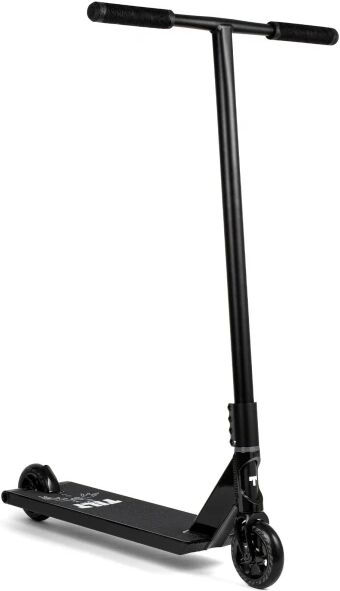
Pro Scooter Tilt Theorem Build (Chiseled) - BlackThe Tilt Theorem Build Stunt Scooter is crafted for riders at intermediate and advanced stages. This stunt scooter is brimming with attributes aimed at elevating your riding skills. Featuring a lightweight and robust aluminium 6000 Series deck, it is ideal for both park and street scenarios. Moreover, it comes fitted with a responsive fork, Tilt SCS compression, and a wheel configuration with a 120mm diameter, showcasing resilient aluminium cores and high-rebound urethane. The Tilt Theorem Build Stunt Scooter is engineered to deliver an optimal riding experience. Its concave deck shape combined with a T-shaped handlebar ensures significant control and comfort. With its elegant design and premium components, the Tilt Theorem Build Stunt Scooter is the optimal selection for those seeking to challenge their boundaries and elevate their riding prowess.319,95 £*Shipping: 0,00 £Secure redirect to the provider


-
What is the difference between interior architecture and interior design?
Interior architecture focuses on the structural and spatial elements of a space, including the layout, flow, and functionality. It involves designing and coordinating the interior structure of a building, such as walls, ceilings, and floors. On the other hand, interior design focuses on the aesthetics and decorative aspects of a space, including furniture, color schemes, and accessories. It involves creating a cohesive and visually appealing environment that reflects the client's needs and style preferences. While interior architecture deals with the physical structure of a space, interior design focuses on the visual and decorative elements. **
-
How do you prove the alternate interior angles theorem?
To prove the alternate interior angles theorem, you need to show that when two parallel lines are intersected by a transversal, the alternate interior angles are congruent. This can be proven using the properties of parallel lines and the corresponding angles postulate. By showing that alternate interior angles are formed by parallel lines and a transversal, and that corresponding angles are congruent, you can establish the alternate interior angles theorem. **
-
What is better, product design or interior architecture?
The answer to whether product design or interior architecture is better ultimately depends on personal interests and career goals. Product design involves creating tangible objects that serve a specific function, while interior architecture focuses on designing interior spaces that enhance the user experience. Both fields offer unique opportunities for creativity and innovation, so it is important to consider which aligns more with your passions and strengths. Ultimately, the decision between product design and interior architecture should be based on individual preferences and career aspirations. **
-
How can one study architecture or interior design?
One can study architecture or interior design by enrolling in a formal education program such as a bachelor's or master's degree in architecture or interior design at a university or college. These programs typically cover design principles, building technology, history of architecture, and practical skills such as drafting and computer-aided design. Additionally, gaining practical experience through internships or apprenticeships with established architects or designers can provide valuable hands-on learning opportunities. Networking with professionals in the field and attending workshops, conferences, and exhibitions can also help in expanding one's knowledge and skills in architecture or interior design. **

Are you looking for cool interior design ideas for a dream house?
Yes, I am always on the lookout for cool interior design ideas for a dream house. I love exploring different styles, color schemes, and furniture options to create a unique and inviting space. It's exciting to discover new trends and innovative design concepts that can elevate the look and feel of a home. Whether it's modern, minimalist, or eclectic, I'm always open to new ideas that can inspire and enhance the interior design of a dream house. **
How can one transition from interior design to architecture?
One can transition from interior design to architecture by pursuing further education and obtaining a degree in architecture. This will provide a deeper understanding of structural design, building systems, and construction methods. Additionally, gaining experience in architectural firms or working on architectural projects can help in making the transition. It is also important to develop a strong portfolio that showcases architectural design skills and knowledge. Networking with architects and seeking mentorship can also be beneficial in making the transition from interior design to architecture. **
Top-Angebote
Products related to Ashford-House-Theorem-Blue:
-
How to prove the alternate interior angles theorem?
To prove the alternate interior angles theorem, you can start by drawing two parallel lines and a transversal line that intersects them. Then, identify the pairs of alternate interior angles that are formed on opposite sides of the transversal. Next, use the properties of parallel lines and transversals to show that the alternate interior angles are congruent. Finally, conclude by stating that the alternate interior angles theorem holds true for parallel lines cut by a transversal. **
-
What kind of blue house is that?
That is a beautiful sky blue house with white trim and a charming front porch. It has a classic, traditional style and looks very inviting. The color combination gives it a cheerful and welcoming appearance. **
-
What is the difference between interior architecture and interior design?
Interior architecture focuses on the structural and spatial elements of a space, including the layout, flow, and functionality. It involves designing and coordinating the interior structure of a building, such as walls, ceilings, and floors. On the other hand, interior design focuses on the aesthetics and decorative aspects of a space, including furniture, color schemes, and accessories. It involves creating a cohesive and visually appealing environment that reflects the client's needs and style preferences. While interior architecture deals with the physical structure of a space, interior design focuses on the visual and decorative elements. **
-
How do you prove the alternate interior angles theorem?
To prove the alternate interior angles theorem, you need to show that when two parallel lines are intersected by a transversal, the alternate interior angles are congruent. This can be proven using the properties of parallel lines and the corresponding angles postulate. By showing that alternate interior angles are formed by parallel lines and a transversal, and that corresponding angles are congruent, you can establish the alternate interior angles theorem. **
Similar search terms for Ashford-House-Theorem-Blue
-
Pro Scooter Tilt Theorem Build (Chiseled) - BlackThe Tilt Theorem Build Stunt Scooter is crafted for riders at intermediate and advanced stages. This stunt scooter is brimming with attributes aimed at elevating your riding skills. Featuring a lightweight and robust aluminium 6000 Series deck, it is ideal for both park and street scenarios. Moreover, it comes fitted with a responsive fork, Tilt SCS compression, and a wheel configuration with a 120mm diameter, showcasing resilient aluminium cores and high-rebound urethane. The Tilt Theorem Build Stunt Scooter is engineered to deliver an optimal riding experience. Its concave deck shape combined with a T-shaped handlebar ensures significant control and comfort. With its elegant design and premium components, the Tilt Theorem Build Stunt Scooter is the optimal selection for those seeking to challenge their boundaries and elevate their riding prowess.319,95 £*Shipping: 0,00 £Secure redirect to the provider
-
What is better, product design or interior architecture?
The answer to whether product design or interior architecture is better ultimately depends on personal interests and career goals. Product design involves creating tangible objects that serve a specific function, while interior architecture focuses on designing interior spaces that enhance the user experience. Both fields offer unique opportunities for creativity and innovation, so it is important to consider which aligns more with your passions and strengths. Ultimately, the decision between product design and interior architecture should be based on individual preferences and career aspirations. **
-
How can one study architecture or interior design?
One can study architecture or interior design by enrolling in a formal education program such as a bachelor's or master's degree in architecture or interior design at a university or college. These programs typically cover design principles, building technology, history of architecture, and practical skills such as drafting and computer-aided design. Additionally, gaining practical experience through internships or apprenticeships with established architects or designers can provide valuable hands-on learning opportunities. Networking with professionals in the field and attending workshops, conferences, and exhibitions can also help in expanding one's knowledge and skills in architecture or interior design. **
-
Are you looking for cool interior design ideas for a dream house?
Yes, I am always on the lookout for cool interior design ideas for a dream house. I love exploring different styles, color schemes, and furniture options to create a unique and inviting space. It's exciting to discover new trends and innovative design concepts that can elevate the look and feel of a home. Whether it's modern, minimalist, or eclectic, I'm always open to new ideas that can inspire and enhance the interior design of a dream house. **
-
How can one transition from interior design to architecture?
One can transition from interior design to architecture by pursuing further education and obtaining a degree in architecture. This will provide a deeper understanding of structural design, building systems, and construction methods. Additionally, gaining experience in architectural firms or working on architectural projects can help in making the transition. It is also important to develop a strong portfolio that showcases architectural design skills and knowledge. Networking with architects and seeking mentorship can also be beneficial in making the transition from interior design to architecture. **
* All prices are inclusive of VAT and, if applicable, plus shipping costs. The offer information is based on the details provided by the respective shop and is updated through automated processes. Real-time updates do not occur, so deviations can occur in individual cases. ** Note: Parts of this content were created by AI.