Buy baubuero.eu ?
We are moving the project
baubuero.eu .
Are you interested in purchasing the domain
baubuero.eu ?
domain@kv-gmbh.de · 0541-91531010
Buy baubuero.eu ?
What is the history of napkin decoupage?
Napkin decoupage, also known as paper napkin decoupage, has its origins in the art of decoupage, which dates back to ancient times. Decoupage involves decorating objects by gluing paper cutouts onto them and then sealing them with varnish. The technique became popular in Europe during the 18th century, and napkin decoupage specifically gained popularity in the 20th century as decorative paper napkins became widely available. It is a popular craft technique for creating unique and personalized home decor items, such as vases, trays, and furniture. **
What is the difference between interior architecture and interior design?
Interior architecture focuses on the structural and spatial elements of a space, including the layout, flow, and functionality. It involves designing and coordinating the interior structure of a building, such as walls, ceilings, and floors. On the other hand, interior design focuses on the aesthetics and decorative aspects of a space, including furniture, color schemes, and accessories. It involves creating a cohesive and visually appealing environment that reflects the client's needs and style preferences. While interior architecture deals with the physical structure of a space, interior design focuses on the visual and decorative elements. **

Similar search terms for Classic-Touch-Square-Napkin
Top-Angebote
Products related to Classic-Touch-Square-Napkin:
-
Classic Touch "Square Napkin Holder With Mosaic Design - 7""L""Keep napkins in place with a touch of flair. Square shaped and lustrous in finish, this napkin holder is completed with a magnificent mosaic handle. Its upkeep is simple: wipe it with a wash cloth. Measures: 7""L x 7""W"59,99 $*Shipping: 0,00 $Secure redirect to the provider
-
Classic Touch Gold Square Napkin Holder with Leaf TongThis gold square napkin holder is perfect for any event or occasion. With its elegant design, it adds a touch of luxury to any table setting. Crafted from sturdy metal, it is an elegant and timeless piece that will last for years.53,99 $*Shipping: 0,00 $Secure redirect to the provider
-
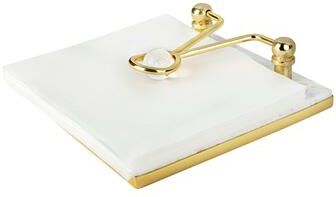
Classic Touch "Square Napkin Holder with Clear Ball - 7.5"""This square napkin holder is the perfect addition to any dining setting. Featuring a ball detail, it adds a touch of elegance to your table while keeping your napkins organized and easily accessible.62,99 $*Shipping: 0,00 $Secure redirect to the provider
-
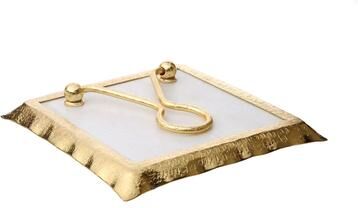
Classic Touch "Square Marble Napkin Holder With Gold Rim - 8""L""Napkins are a staple by meals. What can be more practical than a finely set table with napkins in its place?! The beauty of this piece is in its shape and details. The combination of gold and marble takes napkin holders to a new level. Measures: 8""L..."59,99 $*Shipping: 0,00 $Secure redirect to the provider


-
What is better, product design or interior architecture?
The answer to whether product design or interior architecture is better ultimately depends on personal interests and career goals. Product design involves creating tangible objects that serve a specific function, while interior architecture focuses on designing interior spaces that enhance the user experience. Both fields offer unique opportunities for creativity and innovation, so it is important to consider which aligns more with your passions and strengths. Ultimately, the decision between product design and interior architecture should be based on individual preferences and career aspirations. **
-
How can one study architecture or interior design?
One can study architecture or interior design by enrolling in a formal education program such as a bachelor's or master's degree in architecture or interior design at a university or college. These programs typically cover design principles, building technology, history of architecture, and practical skills such as drafting and computer-aided design. Additionally, gaining practical experience through internships or apprenticeships with established architects or designers can provide valuable hands-on learning opportunities. Networking with professionals in the field and attending workshops, conferences, and exhibitions can also help in expanding one's knowledge and skills in architecture or interior design. **
-
How does the napkin technique work on glass?
The napkin technique on glass involves using a wet napkin to create a temporary design or pattern on the surface of the glass. The napkin is placed on the glass and gently pressed to adhere to the surface. The wet napkin creates a temporary bond with the glass, allowing the design to transfer onto the glass. Once the napkin is removed, the design will remain on the glass. This technique is often used for creating decorative patterns or designs on glass surfaces. **
-
How can one transition from interior design to architecture?
One can transition from interior design to architecture by pursuing further education and obtaining a degree in architecture. This will provide a deeper understanding of structural design, building systems, and construction methods. Additionally, gaining experience in architectural firms or working on architectural projects can help in making the transition. It is also important to develop a strong portfolio that showcases architectural design skills and knowledge. Networking with architects and seeking mentorship can also be beneficial in making the transition from interior design to architecture. **
What is the difference between interior design and architecture?
Interior design focuses on the aesthetic and functional aspects of the interior spaces within a building, including furniture, color schemes, and decor. It involves creating a cohesive and visually appealing environment that meets the needs and preferences of the occupants. On the other hand, architecture is the art and science of designing and constructing buildings and other physical structures. It encompasses the overall design, structural integrity, and functionality of the entire building, including the exterior and interior spaces. While interior design focuses on the interior environment, architecture encompasses the entire built environment. **
How can one blow their nose into a napkin?
To blow your nose into a napkin, simply hold the napkin up to your nose and gently blow air out of your nostrils. Make sure to cover your nose completely with the napkin to catch any mucus or debris. Once you have blown your nose, carefully fold the napkin to contain the contents and dispose of it properly in a trash bin. Remember to wash your hands thoroughly after blowing your nose to prevent the spread of germs. **
Top-Angebote
Products related to Classic-Touch-Square-Napkin:
-
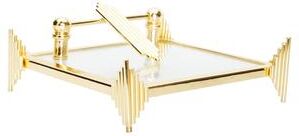
Classic Touch Square Napkin Holder with Gold Loop DesignMake your napkins accessible on the table with this finely designed napkin holder. It features a mirror base which gives it a multi-faceted purpose on the dining table-a napkin holder and decorative tray.47,35 $*Shipping: 0,00 $Secure redirect to the provider
-
Classic Touch "Square Napkin Holder With Mosaic Design - 7""L""Keep napkins in place with a touch of flair. Square shaped and lustrous in finish, this napkin holder is completed with a magnificent mosaic handle. Its upkeep is simple: wipe it with a wash cloth. Measures: 7""L x 7""W"59,99 $*Shipping: 0,00 $Secure redirect to the provider
-
Classic Touch Gold Square Napkin Holder with Leaf TongThis gold square napkin holder is perfect for any event or occasion. With its elegant design, it adds a touch of luxury to any table setting. Crafted from sturdy metal, it is an elegant and timeless piece that will last for years.53,99 $*Shipping: 0,00 $Secure redirect to the provider
-
What is the history of napkin decoupage?
Napkin decoupage, also known as paper napkin decoupage, has its origins in the art of decoupage, which dates back to ancient times. Decoupage involves decorating objects by gluing paper cutouts onto them and then sealing them with varnish. The technique became popular in Europe during the 18th century, and napkin decoupage specifically gained popularity in the 20th century as decorative paper napkins became widely available. It is a popular craft technique for creating unique and personalized home decor items, such as vases, trays, and furniture. **
-
What is the difference between interior architecture and interior design?
Interior architecture focuses on the structural and spatial elements of a space, including the layout, flow, and functionality. It involves designing and coordinating the interior structure of a building, such as walls, ceilings, and floors. On the other hand, interior design focuses on the aesthetics and decorative aspects of a space, including furniture, color schemes, and accessories. It involves creating a cohesive and visually appealing environment that reflects the client's needs and style preferences. While interior architecture deals with the physical structure of a space, interior design focuses on the visual and decorative elements. **
-
What is better, product design or interior architecture?
The answer to whether product design or interior architecture is better ultimately depends on personal interests and career goals. Product design involves creating tangible objects that serve a specific function, while interior architecture focuses on designing interior spaces that enhance the user experience. Both fields offer unique opportunities for creativity and innovation, so it is important to consider which aligns more with your passions and strengths. Ultimately, the decision between product design and interior architecture should be based on individual preferences and career aspirations. **
-
How can one study architecture or interior design?
One can study architecture or interior design by enrolling in a formal education program such as a bachelor's or master's degree in architecture or interior design at a university or college. These programs typically cover design principles, building technology, history of architecture, and practical skills such as drafting and computer-aided design. Additionally, gaining practical experience through internships or apprenticeships with established architects or designers can provide valuable hands-on learning opportunities. Networking with professionals in the field and attending workshops, conferences, and exhibitions can also help in expanding one's knowledge and skills in architecture or interior design. **
Similar search terms for Classic-Touch-Square-Napkin
-
Classic Touch "Square Napkin Holder with Clear Ball - 7.5"""This square napkin holder is the perfect addition to any dining setting. Featuring a ball detail, it adds a touch of elegance to your table while keeping your napkins organized and easily accessible.62,99 $*Shipping: 0,00 $Secure redirect to the provider
-
Classic Touch "Square Marble Napkin Holder With Gold Rim - 8""L""Napkins are a staple by meals. What can be more practical than a finely set table with napkins in its place?! The beauty of this piece is in its shape and details. The combination of gold and marble takes napkin holders to a new level. Measures: 8""L..."59,99 $*Shipping: 0,00 $Secure redirect to the provider
-
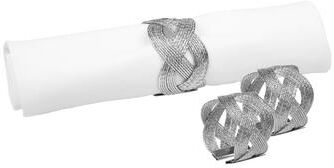
Classic Touch Set Of 6 Silver Napkin Rings Woven DesignNapkin rings are like jewelry to a well-dressed table. For a traditional creation, fill these napkin rings with white linen napkins. Reserve it for fancy dinners and elegant occasions. Also sold in gold color.44,49 $*Shipping: 0,00 $Secure redirect to the provider
-
How does the napkin technique work on glass?
The napkin technique on glass involves using a wet napkin to create a temporary design or pattern on the surface of the glass. The napkin is placed on the glass and gently pressed to adhere to the surface. The wet napkin creates a temporary bond with the glass, allowing the design to transfer onto the glass. Once the napkin is removed, the design will remain on the glass. This technique is often used for creating decorative patterns or designs on glass surfaces. **
-
How can one transition from interior design to architecture?
One can transition from interior design to architecture by pursuing further education and obtaining a degree in architecture. This will provide a deeper understanding of structural design, building systems, and construction methods. Additionally, gaining experience in architectural firms or working on architectural projects can help in making the transition. It is also important to develop a strong portfolio that showcases architectural design skills and knowledge. Networking with architects and seeking mentorship can also be beneficial in making the transition from interior design to architecture. **
-
What is the difference between interior design and architecture?
Interior design focuses on the aesthetic and functional aspects of the interior spaces within a building, including furniture, color schemes, and decor. It involves creating a cohesive and visually appealing environment that meets the needs and preferences of the occupants. On the other hand, architecture is the art and science of designing and constructing buildings and other physical structures. It encompasses the overall design, structural integrity, and functionality of the entire building, including the exterior and interior spaces. While interior design focuses on the interior environment, architecture encompasses the entire built environment. **
-
How can one blow their nose into a napkin?
To blow your nose into a napkin, simply hold the napkin up to your nose and gently blow air out of your nostrils. Make sure to cover your nose completely with the napkin to catch any mucus or debris. Once you have blown your nose, carefully fold the napkin to contain the contents and dispose of it properly in a trash bin. Remember to wash your hands thoroughly after blowing your nose to prevent the spread of germs. **
* All prices are inclusive of VAT and, if applicable, plus shipping costs. The offer information is based on the details provided by the respective shop and is updated through automated processes. Real-time updates do not occur, so deviations can occur in individual cases. ** Note: Parts of this content were created by AI.