Buy baubuero.eu ?
We are moving the project
baubuero.eu .
Are you interested in purchasing the domain
baubuero.eu ?
domain@kv-gmbh.de · 0541-91531010
Buy baubuero.eu ?
Can a cooker hood (island hood) be connected to any power outlet?
No, a cooker hood (island hood) cannot be connected to any power outlet. It requires a specific type of power supply, typically a dedicated electrical circuit with the appropriate voltage and amperage to safely power the hood. It is important to consult the manufacturer's specifications and a qualified electrician to ensure that the cooker hood is properly connected to the correct power source to avoid any safety hazards. **
How do I install a hood above the kitchen island?
To install a hood above a kitchen island, you will first need to determine the appropriate height for the hood to be mounted. Typically, the bottom of the hood should be positioned 24-30 inches above the cooking surface. Next, locate the ceiling joists above the island to ensure proper support for the hood. Use a stud finder to locate the joists and mark their positions. Finally, follow the manufacturer's instructions to securely mount the hood to the ceiling joists, ensuring it is level and properly connected to the ventilation ductwork. **
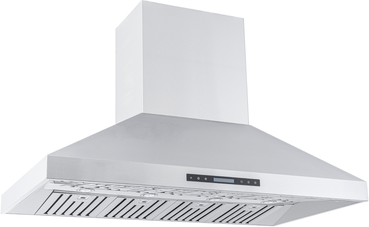

Similar search terms for ProS-Island-Hood
Top-Angebote
Products related to ProS-Island-Hood:
-
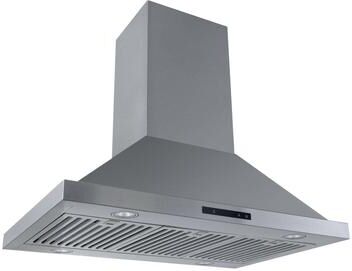
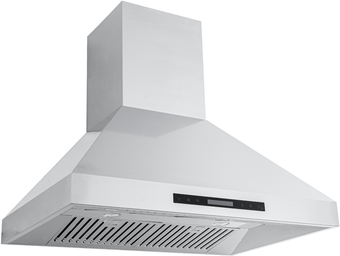
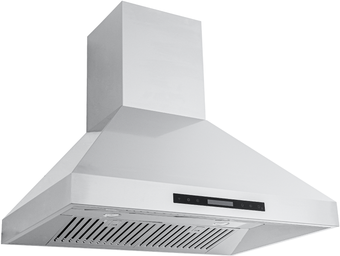
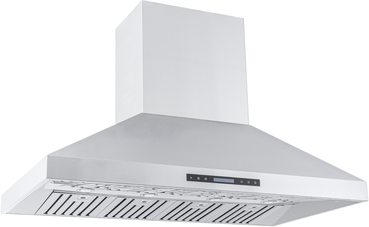
Proline Range Hoods "Proline PLSW ProS Wall Mount Range Hood 30""-48"" - 550/1200 CFM 36 inches wide"Efficiently eliminate smoke with a powerful 550 CFM wall-mounted stainless steel range hood. Quiet operation at only 65 dB for peaceful cooking.649,99 $*Shipping: 0,00 $Secure redirect to the provider
-
Proline Range Hoods "Proline PLSW ProS Wall Mount Range Hood 30""-48"" - 550/1200 CFM 48 inches wide"Efficiently eliminate smoke with a powerful 550 CFM wall-mounted stainless steel range hood. Quiet operation at only 65 dB for peaceful cooking.799,99 $*Shipping: 0,00 $Secure redirect to the provider

-
How can one attach an island hood to a suspended ceiling?
To attach an island hood to a suspended ceiling, you will first need to locate the ceiling joists or support beams to ensure that the hood can be securely mounted. Once the joists are located, you can use a mounting bracket or support system specifically designed for island hoods to attach it to the ceiling. It's important to follow the manufacturer's instructions and use the appropriate hardware to ensure the hood is safely and securely installed. Additionally, you may need to hire a professional to help with the installation if you are not comfortable doing it yourself. **
-
What is the difference between interior architecture and interior design?
Interior architecture focuses on the structural and spatial elements of a space, including the layout, flow, and functionality. It involves designing and coordinating the interior structure of a building, such as walls, ceilings, and floors. On the other hand, interior design focuses on the aesthetics and decorative aspects of a space, including furniture, color schemes, and accessories. It involves creating a cohesive and visually appealing environment that reflects the client's needs and style preferences. While interior architecture deals with the physical structure of a space, interior design focuses on the visual and decorative elements. **
-
What is better, product design or interior architecture?
The answer to whether product design or interior architecture is better ultimately depends on personal interests and career goals. Product design involves creating tangible objects that serve a specific function, while interior architecture focuses on designing interior spaces that enhance the user experience. Both fields offer unique opportunities for creativity and innovation, so it is important to consider which aligns more with your passions and strengths. Ultimately, the decision between product design and interior architecture should be based on individual preferences and career aspirations. **
-
How can one study architecture or interior design?
One can study architecture or interior design by enrolling in a formal education program such as a bachelor's or master's degree in architecture or interior design at a university or college. These programs typically cover design principles, building technology, history of architecture, and practical skills such as drafting and computer-aided design. Additionally, gaining practical experience through internships or apprenticeships with established architects or designers can provide valuable hands-on learning opportunities. Networking with professionals in the field and attending workshops, conferences, and exhibitions can also help in expanding one's knowledge and skills in architecture or interior design. **

How can one transition from interior design to architecture?
One can transition from interior design to architecture by pursuing further education and obtaining a degree in architecture. This will provide a deeper understanding of structural design, building systems, and construction methods. Additionally, gaining experience in architectural firms or working on architectural projects can help in making the transition. It is also important to develop a strong portfolio that showcases architectural design skills and knowledge. Networking with architects and seeking mentorship can also be beneficial in making the transition from interior design to architecture. **
What is the difference between interior design and architecture?
Interior design focuses on the aesthetic and functional aspects of the interior spaces within a building, including furniture, color schemes, and decor. It involves creating a cohesive and visually appealing environment that meets the needs and preferences of the occupants. On the other hand, architecture is the art and science of designing and constructing buildings and other physical structures. It encompasses the overall design, structural integrity, and functionality of the entire building, including the exterior and interior spaces. While interior design focuses on the interior environment, architecture encompasses the entire built environment. **
Top-Angebote
Products related to ProS-Island-Hood:
-
Proline Range Hoods "Proline PLSW ProS Wall Mount Range Hood 30""-48"" - 550/1200 CFM 30 inches wide"Efficiently eliminate smoke with a powerful 550 CFM wall-mounted stainless steel range hood. Quiet operation at only 65 dB for peaceful cooking.619,99 $*Shipping: 0,00 $Secure redirect to the provider
-
Can a cooker hood (island hood) be connected to any power outlet?
No, a cooker hood (island hood) cannot be connected to any power outlet. It requires a specific type of power supply, typically a dedicated electrical circuit with the appropriate voltage and amperage to safely power the hood. It is important to consult the manufacturer's specifications and a qualified electrician to ensure that the cooker hood is properly connected to the correct power source to avoid any safety hazards. **
-
How do I install a hood above the kitchen island?
To install a hood above a kitchen island, you will first need to determine the appropriate height for the hood to be mounted. Typically, the bottom of the hood should be positioned 24-30 inches above the cooking surface. Next, locate the ceiling joists above the island to ensure proper support for the hood. Use a stud finder to locate the joists and mark their positions. Finally, follow the manufacturer's instructions to securely mount the hood to the ceiling joists, ensuring it is level and properly connected to the ventilation ductwork. **
-
How can one attach an island hood to a suspended ceiling?
To attach an island hood to a suspended ceiling, you will first need to locate the ceiling joists or support beams to ensure that the hood can be securely mounted. Once the joists are located, you can use a mounting bracket or support system specifically designed for island hoods to attach it to the ceiling. It's important to follow the manufacturer's instructions and use the appropriate hardware to ensure the hood is safely and securely installed. Additionally, you may need to hire a professional to help with the installation if you are not comfortable doing it yourself. **
-
What is the difference between interior architecture and interior design?
Interior architecture focuses on the structural and spatial elements of a space, including the layout, flow, and functionality. It involves designing and coordinating the interior structure of a building, such as walls, ceilings, and floors. On the other hand, interior design focuses on the aesthetics and decorative aspects of a space, including furniture, color schemes, and accessories. It involves creating a cohesive and visually appealing environment that reflects the client's needs and style preferences. While interior architecture deals with the physical structure of a space, interior design focuses on the visual and decorative elements. **
Similar search terms for ProS-Island-Hood
-
Proline Range Hoods "Proline PLSW ProS Wall Mount Range Hood 30""-48"" - 550/1200 CFM 36 inches wide"Efficiently eliminate smoke with a powerful 550 CFM wall-mounted stainless steel range hood. Quiet operation at only 65 dB for peaceful cooking.649,99 $*Shipping: 0,00 $Secure redirect to the provider
-
Proline Range Hoods "Proline PLSW ProS Wall Mount Range Hood 30""-48"" - 550/1200 CFM 48 inches wide"Efficiently eliminate smoke with a powerful 550 CFM wall-mounted stainless steel range hood. Quiet operation at only 65 dB for peaceful cooking.799,99 $*Shipping: 0,00 $Secure redirect to the provider
-
What is better, product design or interior architecture?
The answer to whether product design or interior architecture is better ultimately depends on personal interests and career goals. Product design involves creating tangible objects that serve a specific function, while interior architecture focuses on designing interior spaces that enhance the user experience. Both fields offer unique opportunities for creativity and innovation, so it is important to consider which aligns more with your passions and strengths. Ultimately, the decision between product design and interior architecture should be based on individual preferences and career aspirations. **
-
How can one study architecture or interior design?
One can study architecture or interior design by enrolling in a formal education program such as a bachelor's or master's degree in architecture or interior design at a university or college. These programs typically cover design principles, building technology, history of architecture, and practical skills such as drafting and computer-aided design. Additionally, gaining practical experience through internships or apprenticeships with established architects or designers can provide valuable hands-on learning opportunities. Networking with professionals in the field and attending workshops, conferences, and exhibitions can also help in expanding one's knowledge and skills in architecture or interior design. **
-
How can one transition from interior design to architecture?
One can transition from interior design to architecture by pursuing further education and obtaining a degree in architecture. This will provide a deeper understanding of structural design, building systems, and construction methods. Additionally, gaining experience in architectural firms or working on architectural projects can help in making the transition. It is also important to develop a strong portfolio that showcases architectural design skills and knowledge. Networking with architects and seeking mentorship can also be beneficial in making the transition from interior design to architecture. **
-
What is the difference between interior design and architecture?
Interior design focuses on the aesthetic and functional aspects of the interior spaces within a building, including furniture, color schemes, and decor. It involves creating a cohesive and visually appealing environment that meets the needs and preferences of the occupants. On the other hand, architecture is the art and science of designing and constructing buildings and other physical structures. It encompasses the overall design, structural integrity, and functionality of the entire building, including the exterior and interior spaces. While interior design focuses on the interior environment, architecture encompasses the entire built environment. **
* All prices are inclusive of VAT and, if applicable, plus shipping costs. The offer information is based on the details provided by the respective shop and is updated through automated processes. Real-time updates do not occur, so deviations can occur in individual cases. ** Note: Parts of this content were created by AI.