Buy baubuero.eu ?
We are moving the project
baubuero.eu .
Are you interested in purchasing the domain
baubuero.eu ?
domain@kv-gmbh.de · 0541-91531010
Buy baubuero.eu ?
What is the difference between interior architecture and interior design?
Interior architecture focuses on the structural and spatial elements of a space, including the layout, flow, and functionality. It involves designing and coordinating the interior structure of a building, such as walls, ceilings, and floors. On the other hand, interior design focuses on the aesthetics and decorative aspects of a space, including furniture, color schemes, and accessories. It involves creating a cohesive and visually appealing environment that reflects the client's needs and style preferences. While interior architecture deals with the physical structure of a space, interior design focuses on the visual and decorative elements. **
What is better, product design or interior architecture?
The answer to whether product design or interior architecture is better ultimately depends on personal interests and career goals. Product design involves creating tangible objects that serve a specific function, while interior architecture focuses on designing interior spaces that enhance the user experience. Both fields offer unique opportunities for creativity and innovation, so it is important to consider which aligns more with your passions and strengths. Ultimately, the decision between product design and interior architecture should be based on individual preferences and career aspirations. **
Similar search terms for Pulse
Top-Angebote
Products related to Pulse:
-
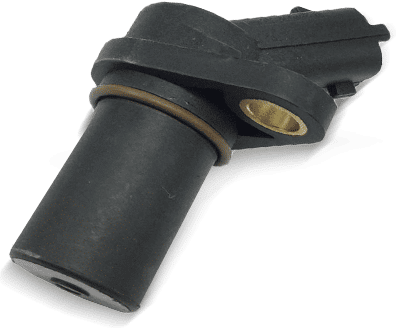
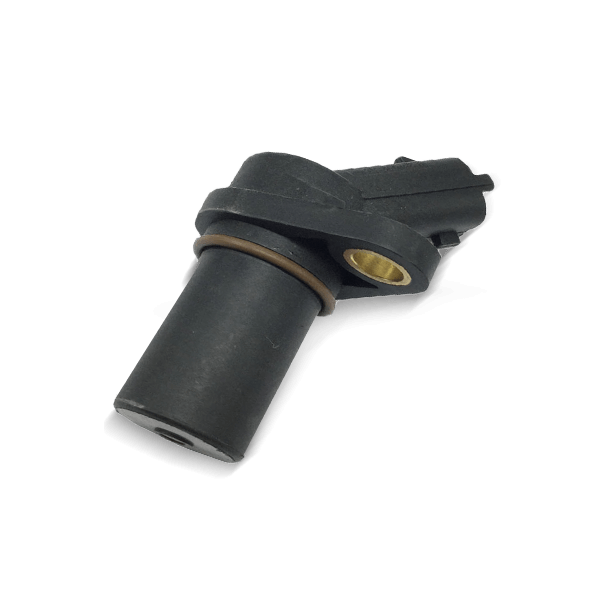
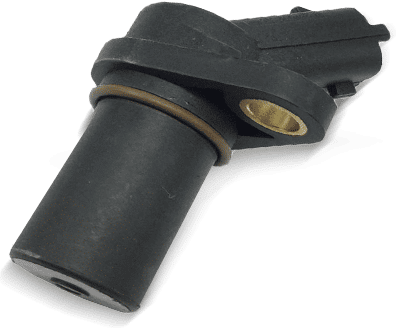
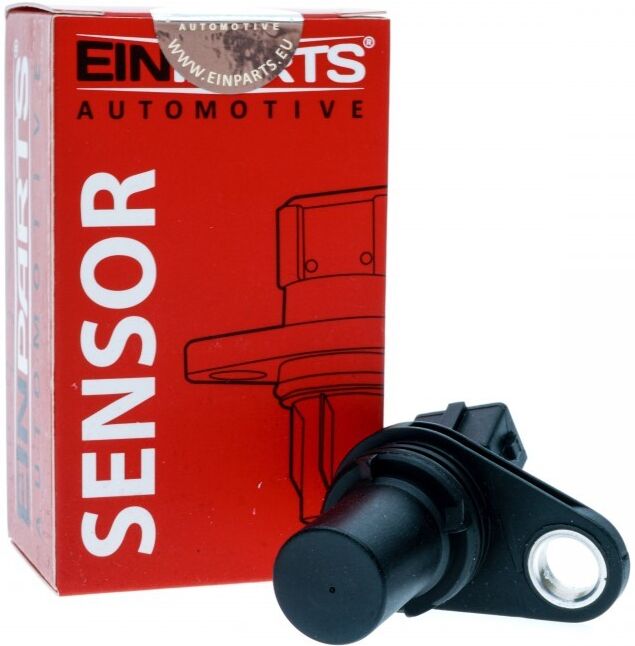
PREXAparts P301018 Sensor, ignition pulseTransmission Type: Manual Transmission, Automatic Transmission; Engine Number from: 001262, 005113, 016455, 001033, 013719, 056729, 006070, 063710, 001164; TecDoc Engine Number: 2112, 11250, 5235, 5236, 17850; Construction Year from: 09/199523,49 £*Shipping: 8,45 £Secure redirect to the provider


-
How can one study architecture or interior design?
One can study architecture or interior design by enrolling in a formal education program such as a bachelor's or master's degree in architecture or interior design at a university or college. These programs typically cover design principles, building technology, history of architecture, and practical skills such as drafting and computer-aided design. Additionally, gaining practical experience through internships or apprenticeships with established architects or designers can provide valuable hands-on learning opportunities. Networking with professionals in the field and attending workshops, conferences, and exhibitions can also help in expanding one's knowledge and skills in architecture or interior design. **
-
How can one transition from interior design to architecture?
One can transition from interior design to architecture by pursuing further education and obtaining a degree in architecture. This will provide a deeper understanding of structural design, building systems, and construction methods. Additionally, gaining experience in architectural firms or working on architectural projects can help in making the transition. It is also important to develop a strong portfolio that showcases architectural design skills and knowledge. Networking with architects and seeking mentorship can also be beneficial in making the transition from interior design to architecture. **
-
What is the difference between interior design and architecture?
Interior design focuses on the aesthetic and functional aspects of the interior spaces within a building, including furniture, color schemes, and decor. It involves creating a cohesive and visually appealing environment that meets the needs and preferences of the occupants. On the other hand, architecture is the art and science of designing and constructing buildings and other physical structures. It encompasses the overall design, structural integrity, and functionality of the entire building, including the exterior and interior spaces. While interior design focuses on the interior environment, architecture encompasses the entire built environment. **
-
How can one switch from studying architecture to interior design?
To switch from studying architecture to interior design, one can start by researching the specific requirements and courses needed for a degree in interior design. It may be necessary to take additional classes or pursue a new degree program focused on interior design. Building a portfolio that showcases relevant skills and projects related to interior design can also help in making the transition. Networking with professionals in the interior design field and seeking internships or job opportunities in interior design firms can provide valuable experience and connections. **
At what pulse rate is the pulse too high when jogging?
The pulse rate that is considered too high when jogging varies from person to person, but a general guideline is that a pulse rate above 185 beats per minute may be too high for most individuals. It's important to listen to your body and pay attention to any symptoms of dizziness, lightheadedness, or chest pain, which may indicate that your pulse rate is too high. If you experience these symptoms, it's important to slow down, stop jogging, and seek medical attention if necessary. **
Is my pulse okay?
It is important to know what your normal resting pulse rate is, as it can vary depending on factors such as age, fitness level, and overall health. A normal resting pulse rate for adults is typically between 60-100 beats per minute. If your pulse rate falls within this range, it is generally considered normal. However, if you are experiencing any symptoms such as dizziness, shortness of breath, or chest pain, it is important to consult with a healthcare professional to determine if your pulse rate is okay. **
Top-Angebote
Products related to Pulse:
-
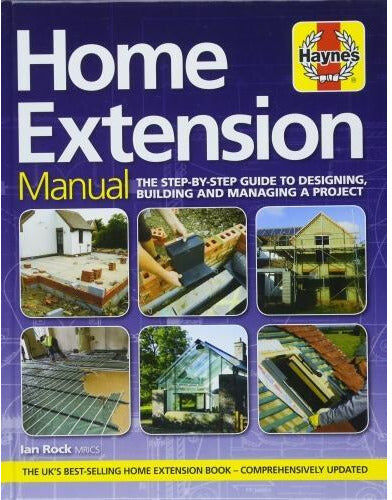
J H Haynes & Co Ltd Home Extension Manual – Step-by-Step Guide to Planning, Building & Managing Your Home Renovation Project DIY & Construction HandbookMany people are looking at ways to extend their homes rather than move house; but getting the builders in can be a recipe for disaster unless you really know what you are doing. Whether you plan to employ a building contractor or tackle some of the works yourself; this best-selling manual will show you how to stay firmly in control; resulting in a high-quality extension; completed on time and within budget. This new edition will include all the up-do-date information on complying with the latest Building Regs and Planning requirements; CAD design; energy-efficiency; under floor heating; bi-folds; liquid screeds; woodburning stoves and renewable energy. tags;home extension manual13,40 £*Shipping: 2,99 £Secure redirect to the provider
-
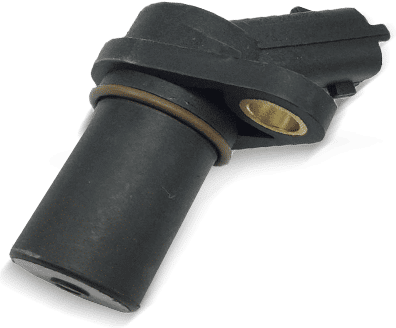
METZGER 0903235 Sensor, ignition pulseNumber of pins: 2; Supplementary Article / Supplementary Info Info 2: without cable; Colour: black; Version: IAM; Construction Year from: 08/1996, 09/1997; Construction Year to: 09/2000, 10/2002, 12/2001; TecDoc Engine Number: 1588920,49 £*Shipping: 8,45 £Secure redirect to the provider
-
PREXAparts P301018 Sensor, ignition pulseTransmission Type: Manual Transmission, Automatic Transmission; Engine Number from: 001262, 005113, 016455, 001033, 013719, 056729, 006070, 063710, 001164; TecDoc Engine Number: 2112, 11250, 5235, 5236, 17850; Construction Year from: 09/199523,49 £*Shipping: 8,45 £Secure redirect to the provider
-
What is the difference between interior architecture and interior design?
Interior architecture focuses on the structural and spatial elements of a space, including the layout, flow, and functionality. It involves designing and coordinating the interior structure of a building, such as walls, ceilings, and floors. On the other hand, interior design focuses on the aesthetics and decorative aspects of a space, including furniture, color schemes, and accessories. It involves creating a cohesive and visually appealing environment that reflects the client's needs and style preferences. While interior architecture deals with the physical structure of a space, interior design focuses on the visual and decorative elements. **
-
What is better, product design or interior architecture?
The answer to whether product design or interior architecture is better ultimately depends on personal interests and career goals. Product design involves creating tangible objects that serve a specific function, while interior architecture focuses on designing interior spaces that enhance the user experience. Both fields offer unique opportunities for creativity and innovation, so it is important to consider which aligns more with your passions and strengths. Ultimately, the decision between product design and interior architecture should be based on individual preferences and career aspirations. **
-
How can one study architecture or interior design?
One can study architecture or interior design by enrolling in a formal education program such as a bachelor's or master's degree in architecture or interior design at a university or college. These programs typically cover design principles, building technology, history of architecture, and practical skills such as drafting and computer-aided design. Additionally, gaining practical experience through internships or apprenticeships with established architects or designers can provide valuable hands-on learning opportunities. Networking with professionals in the field and attending workshops, conferences, and exhibitions can also help in expanding one's knowledge and skills in architecture or interior design. **
-
How can one transition from interior design to architecture?
One can transition from interior design to architecture by pursuing further education and obtaining a degree in architecture. This will provide a deeper understanding of structural design, building systems, and construction methods. Additionally, gaining experience in architectural firms or working on architectural projects can help in making the transition. It is also important to develop a strong portfolio that showcases architectural design skills and knowledge. Networking with architects and seeking mentorship can also be beneficial in making the transition from interior design to architecture. **
Similar search terms for Pulse
-
What is the difference between interior design and architecture?
Interior design focuses on the aesthetic and functional aspects of the interior spaces within a building, including furniture, color schemes, and decor. It involves creating a cohesive and visually appealing environment that meets the needs and preferences of the occupants. On the other hand, architecture is the art and science of designing and constructing buildings and other physical structures. It encompasses the overall design, structural integrity, and functionality of the entire building, including the exterior and interior spaces. While interior design focuses on the interior environment, architecture encompasses the entire built environment. **
-
How can one switch from studying architecture to interior design?
To switch from studying architecture to interior design, one can start by researching the specific requirements and courses needed for a degree in interior design. It may be necessary to take additional classes or pursue a new degree program focused on interior design. Building a portfolio that showcases relevant skills and projects related to interior design can also help in making the transition. Networking with professionals in the interior design field and seeking internships or job opportunities in interior design firms can provide valuable experience and connections. **
-
At what pulse rate is the pulse too high when jogging?
The pulse rate that is considered too high when jogging varies from person to person, but a general guideline is that a pulse rate above 185 beats per minute may be too high for most individuals. It's important to listen to your body and pay attention to any symptoms of dizziness, lightheadedness, or chest pain, which may indicate that your pulse rate is too high. If you experience these symptoms, it's important to slow down, stop jogging, and seek medical attention if necessary. **
-
Is my pulse okay?
It is important to know what your normal resting pulse rate is, as it can vary depending on factors such as age, fitness level, and overall health. A normal resting pulse rate for adults is typically between 60-100 beats per minute. If your pulse rate falls within this range, it is generally considered normal. However, if you are experiencing any symptoms such as dizziness, shortness of breath, or chest pain, it is important to consult with a healthcare professional to determine if your pulse rate is okay. **
* All prices are inclusive of VAT and, if applicable, plus shipping costs. The offer information is based on the details provided by the respective shop and is updated through automated processes. Real-time updates do not occur, so deviations can occur in individual cases. ** Note: Parts of this content were created by AI.