Buy baubuero.eu ?
We are moving the project
baubuero.eu .
Are you interested in purchasing the domain
baubuero.eu ?
domain@kv-gmbh.de · 0541-91531010
Buy baubuero.eu ?
Does anyone know a symbol or logo that features two blue interlocking squares?
Yes, the symbol or logo that features two blue interlocking squares is the logo of the tech giant, Facebook. The logo consists of two blue squares that are interlocked, representing the connection and interaction between people on the social media platform. The color blue is often associated with trust, communication, and technology, which aligns with Facebook's brand image. **
What is the term in architecture for the construction method where the squares are slightly lowered?
The term in architecture for the construction method where the squares are slightly lowered is known as "sunken squares" or "recessed squares." This technique involves creating a design where certain elements, such as squares or panels, are set into the surrounding structure at a lower level. Sunken squares can add visual interest, depth, and dimension to a building's facade or interior design. **
Similar search terms for Seabrook-Designs-Interlocking-Squares
Top-Angebote
Products related to Seabrook-Designs-Interlocking-Squares:
-
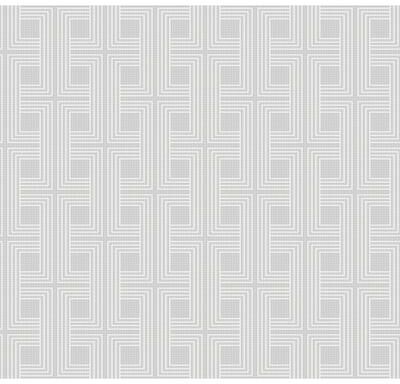
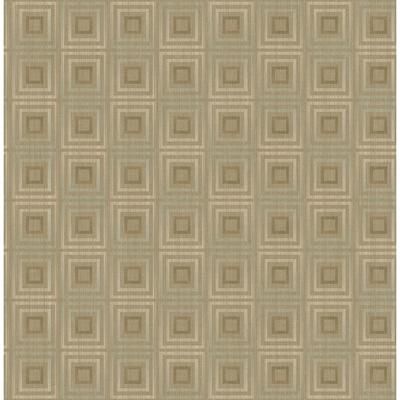
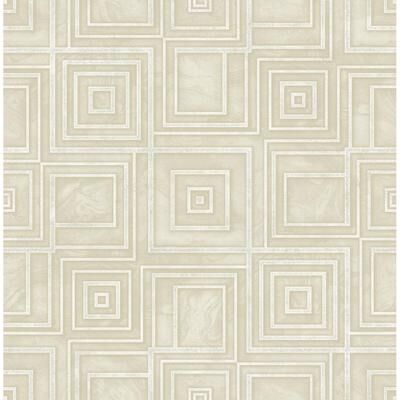
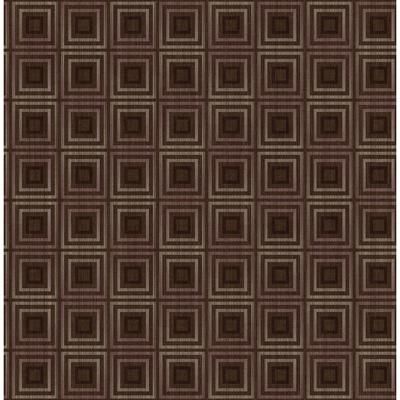
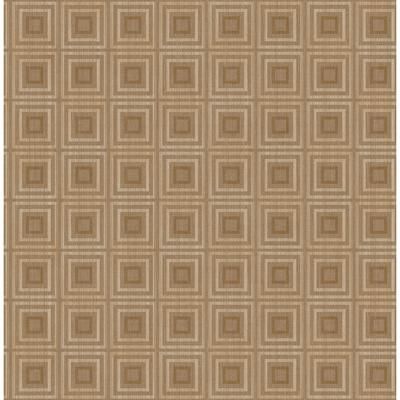
Seabrook Designs Preston Geometric Squares Unpasted WallpaperDesigned to inspire and enhance your home, this Preston Geometric Squares unpasted wallpaper pattern by Seabrook Designs is available in 5 outstanding color combinations that are sure to spark your imagination.27,49 $*Shipping: 0,00 $Secure redirect to the provider

-
What is the term in architecture for the construction method where the squares are slightly lower?
The term in architecture for the construction method where the squares are slightly lower is called "sunken squares" or "recessed squares." This design technique involves creating squares or panels that are set into the surrounding surface, creating a visual and textural contrast. Sunken squares can add depth and interest to a building's facade or interior design, creating a dynamic and engaging architectural feature. **
-
How can one connect 10 squares with 25 squares?
To connect 10 squares with 25 squares, you can arrange the 10 squares in a line or a square shape, and then surround them with the 25 squares. This way, the 10 squares will be connected to the outer 25 squares. Another option is to place the 10 squares in the center of the 25 squares in a circular or spiral pattern, creating a connection between them. Overall, the key is to position the 10 squares in a way that allows them to be surrounded or intertwined with the 25 squares to establish a connection. **
-
Who designs labels?
Labels are typically designed by graphic designers or packaging designers. These professionals are skilled in creating visually appealing and informative designs that effectively communicate the brand and product information. They consider factors such as branding, legal requirements, and consumer appeal when designing labels for products. Additionally, some companies may have in-house design teams or outsource the label design to specialized design agencies. **
-
What is the difference between interior architecture and interior design?
Interior architecture focuses on the structural and spatial elements of a space, including the layout, flow, and functionality. It involves designing and coordinating the interior structure of a building, such as walls, ceilings, and floors. On the other hand, interior design focuses on the aesthetics and decorative aspects of a space, including furniture, color schemes, and accessories. It involves creating a cohesive and visually appealing environment that reflects the client's needs and style preferences. While interior architecture deals with the physical structure of a space, interior design focuses on the visual and decorative elements. **
What is better, product design or interior architecture?
The answer to whether product design or interior architecture is better ultimately depends on personal interests and career goals. Product design involves creating tangible objects that serve a specific function, while interior architecture focuses on designing interior spaces that enhance the user experience. Both fields offer unique opportunities for creativity and innovation, so it is important to consider which aligns more with your passions and strengths. Ultimately, the decision between product design and interior architecture should be based on individual preferences and career aspirations. **
How can one study architecture or interior design?
One can study architecture or interior design by enrolling in a formal education program such as a bachelor's or master's degree in architecture or interior design at a university or college. These programs typically cover design principles, building technology, history of architecture, and practical skills such as drafting and computer-aided design. Additionally, gaining practical experience through internships or apprenticeships with established architects or designers can provide valuable hands-on learning opportunities. Networking with professionals in the field and attending workshops, conferences, and exhibitions can also help in expanding one's knowledge and skills in architecture or interior design. **
Top-Angebote
Products related to Seabrook-Designs-Interlocking-Squares:
-
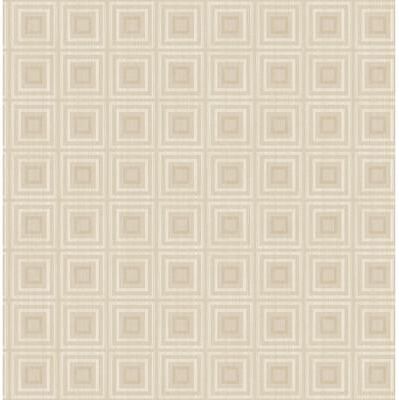
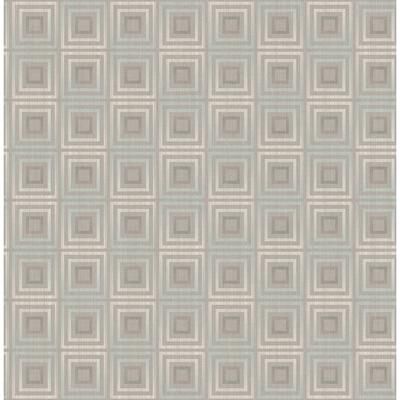
Seabrook Designs Interlocking Squares Unpasted WallpaperGraphic striped squares interlock to develop a chic geometric print. Boasting a sophisticated color palette, this wallpaper pattern will bring a touch of refined elegance to your home.145,53 $*Shipping: 0,00 $Secure redirect to the provider
-
Seabrook Designs Preston Geometric Squares Unpasted WallpaperDesigned to inspire and enhance your home, this Preston Geometric Squares unpasted wallpaper pattern by Seabrook Designs is available in 5 outstanding color combinations that are sure to spark your imagination.27,49 $*Shipping: 0,00 $Secure redirect to the provider
-
Does anyone know a symbol or logo that features two blue interlocking squares?
Yes, the symbol or logo that features two blue interlocking squares is the logo of the tech giant, Facebook. The logo consists of two blue squares that are interlocked, representing the connection and interaction between people on the social media platform. The color blue is often associated with trust, communication, and technology, which aligns with Facebook's brand image. **
-
What is the term in architecture for the construction method where the squares are slightly lowered?
The term in architecture for the construction method where the squares are slightly lowered is known as "sunken squares" or "recessed squares." This technique involves creating a design where certain elements, such as squares or panels, are set into the surrounding structure at a lower level. Sunken squares can add visual interest, depth, and dimension to a building's facade or interior design. **
-
What is the term in architecture for the construction method where the squares are slightly lower?
The term in architecture for the construction method where the squares are slightly lower is called "sunken squares" or "recessed squares." This design technique involves creating squares or panels that are set into the surrounding surface, creating a visual and textural contrast. Sunken squares can add depth and interest to a building's facade or interior design, creating a dynamic and engaging architectural feature. **
-
How can one connect 10 squares with 25 squares?
To connect 10 squares with 25 squares, you can arrange the 10 squares in a line or a square shape, and then surround them with the 25 squares. This way, the 10 squares will be connected to the outer 25 squares. Another option is to place the 10 squares in the center of the 25 squares in a circular or spiral pattern, creating a connection between them. Overall, the key is to position the 10 squares in a way that allows them to be surrounded or intertwined with the 25 squares to establish a connection. **
Similar search terms for Seabrook-Designs-Interlocking-Squares
-
Who designs labels?
Labels are typically designed by graphic designers or packaging designers. These professionals are skilled in creating visually appealing and informative designs that effectively communicate the brand and product information. They consider factors such as branding, legal requirements, and consumer appeal when designing labels for products. Additionally, some companies may have in-house design teams or outsource the label design to specialized design agencies. **
-
What is the difference between interior architecture and interior design?
Interior architecture focuses on the structural and spatial elements of a space, including the layout, flow, and functionality. It involves designing and coordinating the interior structure of a building, such as walls, ceilings, and floors. On the other hand, interior design focuses on the aesthetics and decorative aspects of a space, including furniture, color schemes, and accessories. It involves creating a cohesive and visually appealing environment that reflects the client's needs and style preferences. While interior architecture deals with the physical structure of a space, interior design focuses on the visual and decorative elements. **
-
What is better, product design or interior architecture?
The answer to whether product design or interior architecture is better ultimately depends on personal interests and career goals. Product design involves creating tangible objects that serve a specific function, while interior architecture focuses on designing interior spaces that enhance the user experience. Both fields offer unique opportunities for creativity and innovation, so it is important to consider which aligns more with your passions and strengths. Ultimately, the decision between product design and interior architecture should be based on individual preferences and career aspirations. **
-
How can one study architecture or interior design?
One can study architecture or interior design by enrolling in a formal education program such as a bachelor's or master's degree in architecture or interior design at a university or college. These programs typically cover design principles, building technology, history of architecture, and practical skills such as drafting and computer-aided design. Additionally, gaining practical experience through internships or apprenticeships with established architects or designers can provide valuable hands-on learning opportunities. Networking with professionals in the field and attending workshops, conferences, and exhibitions can also help in expanding one's knowledge and skills in architecture or interior design. **
* All prices are inclusive of VAT and, if applicable, plus shipping costs. The offer information is based on the details provided by the respective shop and is updated through automated processes. Real-time updates do not occur, so deviations can occur in individual cases. ** Note: Parts of this content were created by AI.