Buy baubuero.eu ?
We are moving the project
baubuero.eu .
Are you interested in purchasing the domain
baubuero.eu ?
domain@kv-gmbh.de · 0541-91531010
Buy baubuero.eu ?
Who is Timo Sievert, also known as Sievi?
Timo Sievert, also known as Sievi, is a German professional League of Legends player. He has competed in various European leagues and tournaments, showcasing his skills as a top laner. Sievi is known for his versatility in playing different champions and his strategic gameplay, making him a valuable asset to any team he plays for. **
What is the difference between interior architecture and interior design?
Interior architecture focuses on the structural and spatial elements of a space, including the layout, flow, and functionality. It involves designing and coordinating the interior structure of a building, such as walls, ceilings, and floors. On the other hand, interior design focuses on the aesthetics and decorative aspects of a space, including furniture, color schemes, and accessories. It involves creating a cohesive and visually appealing environment that reflects the client's needs and style preferences. While interior architecture deals with the physical structure of a space, interior design focuses on the visual and decorative elements. **
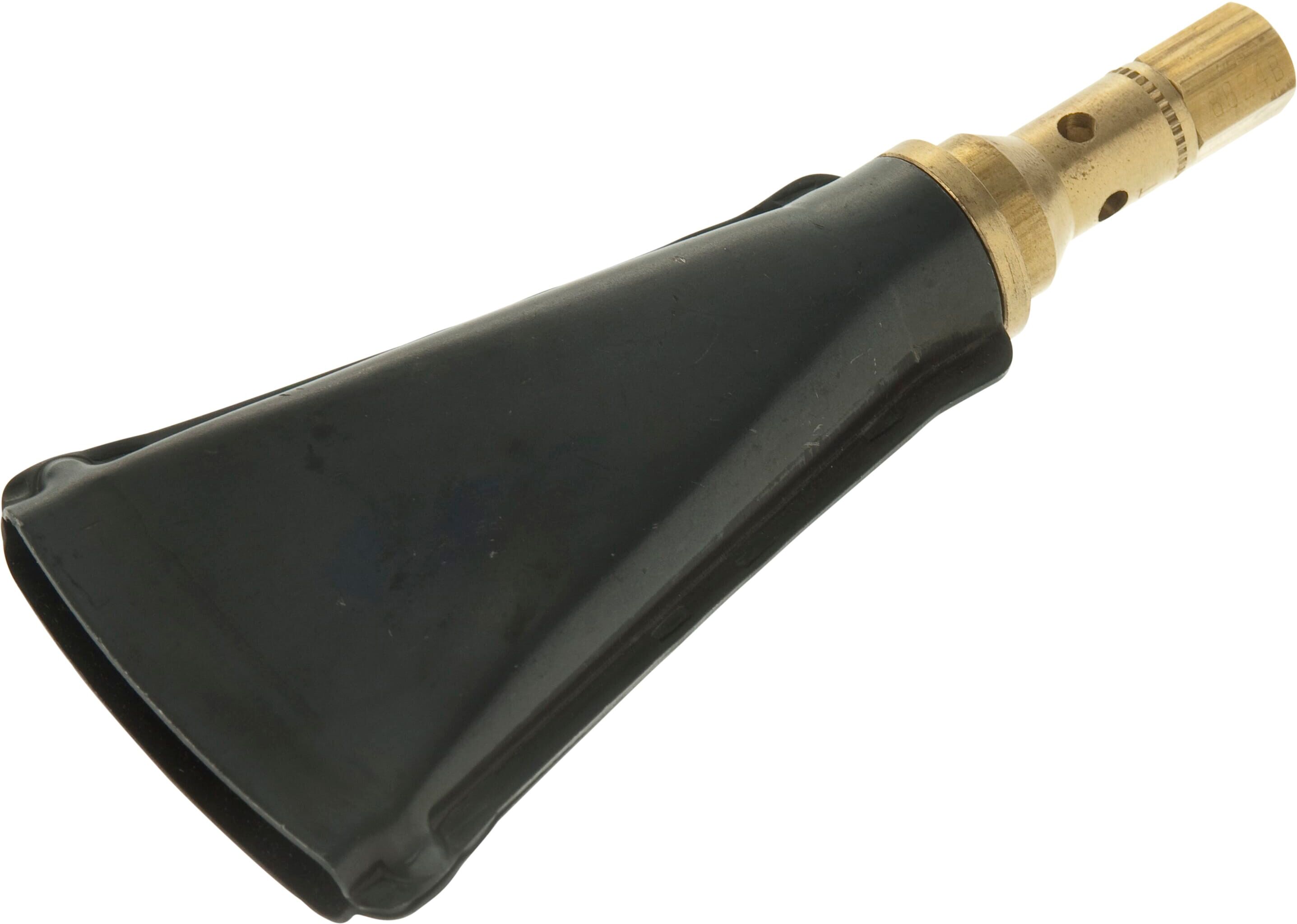

Similar search terms for Sievert-8723-Lightline-Flat
Top-Angebote
Products related to Sievert-8723-Lightline-Flat:
-
Sievert 8725 Lightline Power Gas Blow Torch BurnerSievert 8725 Lightline Power Gas Blow Torch Burner – 22mm, 7.0 kW The Sievert 8725 Lightline Power Gas Blow Torch Burner delivers an exceptionally powerful and windproof flame, making it perfect for demanding heating tasks. Designed for general-purpose applications, this burner is ideal for soft soldering jobs such as seams on tenders, cabs, and water tanks. Compatible with the Sievert 3501 Lightline neck tube, this heavy-duty yet lightweight burner performs reliably even in the harshest weather conditions, ensuring optimal efficiency and durability. Key Features Powerful Performance: Produces a high heat output of 7.0 kW, ideal for heavy-duty heating tasks. Windproof Flame: Strong and stable flame21,66 £*Shipping: 5,00 £Secure redirect to the provider
-
Sievert 8720 Lightline Pin-Point Gas Blow Torch BurnerSievert 8720 Lightline Pin-point Gas Blow Torch Burner The Sievert 8720 Lightline Pin-point Gas Blow Torch Burner is designed for precision work, offering a pointed and distinct flame ideal for minor soft soldering tasks. Perfect for applications such as gold and silver work, jewellery making, and other high-precision tasks, this burner ensures reliable performance and exceptional control. Compatible with the Sievert 8716 Light Line Neck Tube, it is tailored for soft soldering jobs up to 400˚C, making it ideal for small components like pipe joints and intricate metalwork. Its efficient design ensures optimal gas usage, allowing for consistent and effective results. Key Features: Pin-point Precision18,06 £*Shipping: 5,00 £Secure redirect to the provider
-
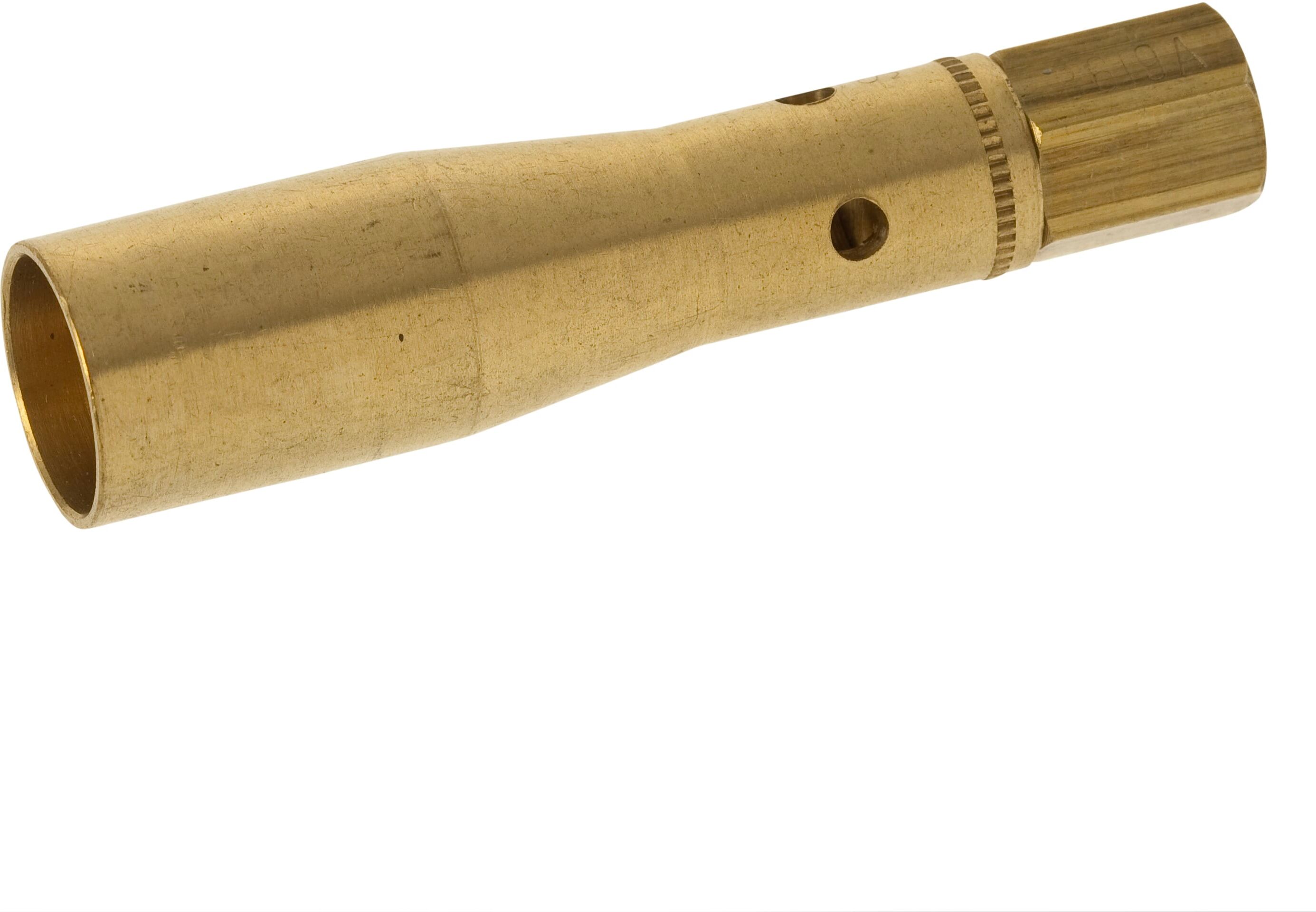
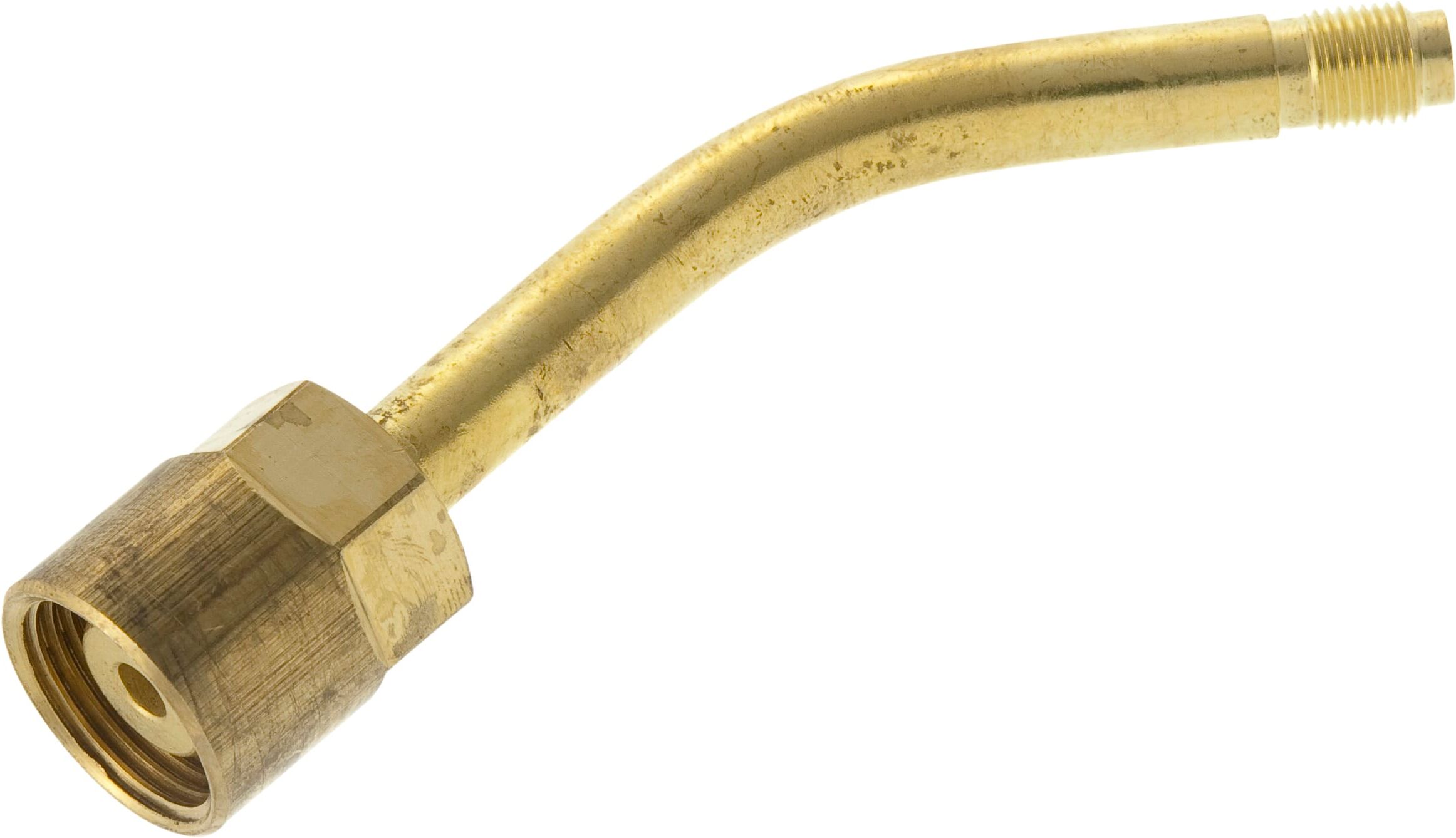
Sievert 3501 78mm Lightline Gas Blow Torch Neck TubeSievert 3501 78mm Lightline Gas Blow Torch Neck Tube The Sievert 3501 Lightline Gas Blow Torch Neck Tube is the perfect choice for model engineers, jewelry makers, and clockmakers who require precision heating for soft soldering and brazing small components. Crafted from durable brass, this 78mm neck tube ensures reliable performance and precision, making it ideal for delicate tasks. Compatible exclusively with Sievert burners 8842, 8719, 8720, 8723, and 8725, this neck tube delivers the low-heat performance necessary for intricate craftsmanship. Designed in Sweden to meet Sievert's high standards, it pairs seamlessly with your Sievert Pro handle for versatile and efficient use. Key Features: Precision Heating: Perfect for sof24,48 £*Shipping: 5,00 £Secure redirect to the provider

-
What is better, product design or interior architecture?
The answer to whether product design or interior architecture is better ultimately depends on personal interests and career goals. Product design involves creating tangible objects that serve a specific function, while interior architecture focuses on designing interior spaces that enhance the user experience. Both fields offer unique opportunities for creativity and innovation, so it is important to consider which aligns more with your passions and strengths. Ultimately, the decision between product design and interior architecture should be based on individual preferences and career aspirations. **
-
How can one study architecture or interior design?
One can study architecture or interior design by enrolling in a formal education program such as a bachelor's or master's degree in architecture or interior design at a university or college. These programs typically cover design principles, building technology, history of architecture, and practical skills such as drafting and computer-aided design. Additionally, gaining practical experience through internships or apprenticeships with established architects or designers can provide valuable hands-on learning opportunities. Networking with professionals in the field and attending workshops, conferences, and exhibitions can also help in expanding one's knowledge and skills in architecture or interior design. **
-
How can one transition from interior design to architecture?
One can transition from interior design to architecture by pursuing further education and obtaining a degree in architecture. This will provide a deeper understanding of structural design, building systems, and construction methods. Additionally, gaining experience in architectural firms or working on architectural projects can help in making the transition. It is also important to develop a strong portfolio that showcases architectural design skills and knowledge. Networking with architects and seeking mentorship can also be beneficial in making the transition from interior design to architecture. **
-
What is the difference between interior design and architecture?
Interior design focuses on the aesthetic and functional aspects of the interior spaces within a building, including furniture, color schemes, and decor. It involves creating a cohesive and visually appealing environment that meets the needs and preferences of the occupants. On the other hand, architecture is the art and science of designing and constructing buildings and other physical structures. It encompasses the overall design, structural integrity, and functionality of the entire building, including the exterior and interior spaces. While interior design focuses on the interior environment, architecture encompasses the entire built environment. **
How can one switch from studying architecture to interior design?
To switch from studying architecture to interior design, one can start by researching the specific requirements and courses needed for a degree in interior design. It may be necessary to take additional classes or pursue a new degree program focused on interior design. Building a portfolio that showcases relevant skills and projects related to interior design can also help in making the transition. Networking with professionals in the interior design field and seeking internships or job opportunities in interior design firms can provide valuable experience and connections. **
Which course of study is better suited, architecture or interior design?
The choice between architecture and interior design depends on individual interests and career goals. Architecture focuses on the design and construction of buildings, including structural and technical aspects, while interior design focuses on creating functional and aesthetically pleasing interior spaces. If someone is more interested in the overall design and construction of buildings, architecture may be a better fit. However, if someone is more interested in creating interior spaces that are comfortable and visually appealing, interior design may be a better choice. Ultimately, both fields offer unique opportunities for creativity and professional growth. **
Top-Angebote
Products related to Sievert-8723-Lightline-Flat:
-
Sievert 8723 Lightline Flat Gas Blow Torch BurnerSievert 8723 Lightline Flat Gas Blow Torch Burner The Sievert 8723 Lightline Flat Gas Blow Torch Burner is the ultimate tool for heat-intensive applications requiring a wide and powerful flame. This burner is designed for precision tasks such as paint stripping, decorative wood burning, ski waxing, and more. With its windproof design, it delivers consistent performance, making it an excellent choice for both indoor and outdoor use. Features and Benefits: Wide, Powerful Flame: Ideal for large surface applications like paint stripping and decorative finishes. Windproof Performance: Designed to withstand challenging outdoor conditions for reliable results. High Heat Output:19,62 £*Shipping: 5,00 £Secure redirect to the provider
-
Sievert 8719 Lightline Standard Gas Blow Torch BurnerSievert 8719 Lightline Standard Gas Blow Torch Burner The Sievert 8719 Lightline Standard Gas Blow Torch Burner delivers exceptional performance for soft soldering and small heating applications. Featuring a brush-shaped, well-defined flame, this burner ensures precise heat distribution, making it perfect for delicate tasks like silver soldering and minor repairs. Designed to be paired with the Sievert 3501 Lightline neck tube, it offers efficiency and reliability for professional results. With a compact 15mm diameter and 2.0 kW heat output, the Sievert 8719 burner is ideal for versatile use, including gold and silver soldering or small component repairs. Its low gas consumption of 160g/hour at 2 bar makes it both powerful and economical. Key Features:18,06 £*Shipping: 5,00 £Secure redirect to the provider
-
Sievert 8725 Lightline Power Gas Blow Torch BurnerSievert 8725 Lightline Power Gas Blow Torch Burner – 22mm, 7.0 kW The Sievert 8725 Lightline Power Gas Blow Torch Burner delivers an exceptionally powerful and windproof flame, making it perfect for demanding heating tasks. Designed for general-purpose applications, this burner is ideal for soft soldering jobs such as seams on tenders, cabs, and water tanks. Compatible with the Sievert 3501 Lightline neck tube, this heavy-duty yet lightweight burner performs reliably even in the harshest weather conditions, ensuring optimal efficiency and durability. Key Features Powerful Performance: Produces a high heat output of 7.0 kW, ideal for heavy-duty heating tasks. Windproof Flame: Strong and stable flame21,66 £*Shipping: 5,00 £Secure redirect to the provider
-
Sievert 8720 Lightline Pin-Point Gas Blow Torch BurnerSievert 8720 Lightline Pin-point Gas Blow Torch Burner The Sievert 8720 Lightline Pin-point Gas Blow Torch Burner is designed for precision work, offering a pointed and distinct flame ideal for minor soft soldering tasks. Perfect for applications such as gold and silver work, jewellery making, and other high-precision tasks, this burner ensures reliable performance and exceptional control. Compatible with the Sievert 8716 Light Line Neck Tube, it is tailored for soft soldering jobs up to 400˚C, making it ideal for small components like pipe joints and intricate metalwork. Its efficient design ensures optimal gas usage, allowing for consistent and effective results. Key Features: Pin-point Precision18,06 £*Shipping: 5,00 £Secure redirect to the provider
-
Who is Timo Sievert, also known as Sievi?
Timo Sievert, also known as Sievi, is a German professional League of Legends player. He has competed in various European leagues and tournaments, showcasing his skills as a top laner. Sievi is known for his versatility in playing different champions and his strategic gameplay, making him a valuable asset to any team he plays for. **
-
What is the difference between interior architecture and interior design?
Interior architecture focuses on the structural and spatial elements of a space, including the layout, flow, and functionality. It involves designing and coordinating the interior structure of a building, such as walls, ceilings, and floors. On the other hand, interior design focuses on the aesthetics and decorative aspects of a space, including furniture, color schemes, and accessories. It involves creating a cohesive and visually appealing environment that reflects the client's needs and style preferences. While interior architecture deals with the physical structure of a space, interior design focuses on the visual and decorative elements. **
-
What is better, product design or interior architecture?
The answer to whether product design or interior architecture is better ultimately depends on personal interests and career goals. Product design involves creating tangible objects that serve a specific function, while interior architecture focuses on designing interior spaces that enhance the user experience. Both fields offer unique opportunities for creativity and innovation, so it is important to consider which aligns more with your passions and strengths. Ultimately, the decision between product design and interior architecture should be based on individual preferences and career aspirations. **
-
How can one study architecture or interior design?
One can study architecture or interior design by enrolling in a formal education program such as a bachelor's or master's degree in architecture or interior design at a university or college. These programs typically cover design principles, building technology, history of architecture, and practical skills such as drafting and computer-aided design. Additionally, gaining practical experience through internships or apprenticeships with established architects or designers can provide valuable hands-on learning opportunities. Networking with professionals in the field and attending workshops, conferences, and exhibitions can also help in expanding one's knowledge and skills in architecture or interior design. **
Similar search terms for Sievert-8723-Lightline-Flat
-
Sievert 3501 78mm Lightline Gas Blow Torch Neck TubeSievert 3501 78mm Lightline Gas Blow Torch Neck Tube The Sievert 3501 Lightline Gas Blow Torch Neck Tube is the perfect choice for model engineers, jewelry makers, and clockmakers who require precision heating for soft soldering and brazing small components. Crafted from durable brass, this 78mm neck tube ensures reliable performance and precision, making it ideal for delicate tasks. Compatible exclusively with Sievert burners 8842, 8719, 8720, 8723, and 8725, this neck tube delivers the low-heat performance necessary for intricate craftsmanship. Designed in Sweden to meet Sievert's high standards, it pairs seamlessly with your Sievert Pro handle for versatile and efficient use. Key Features: Precision Heating: Perfect for sof24,48 £*Shipping: 5,00 £Secure redirect to the provider
-
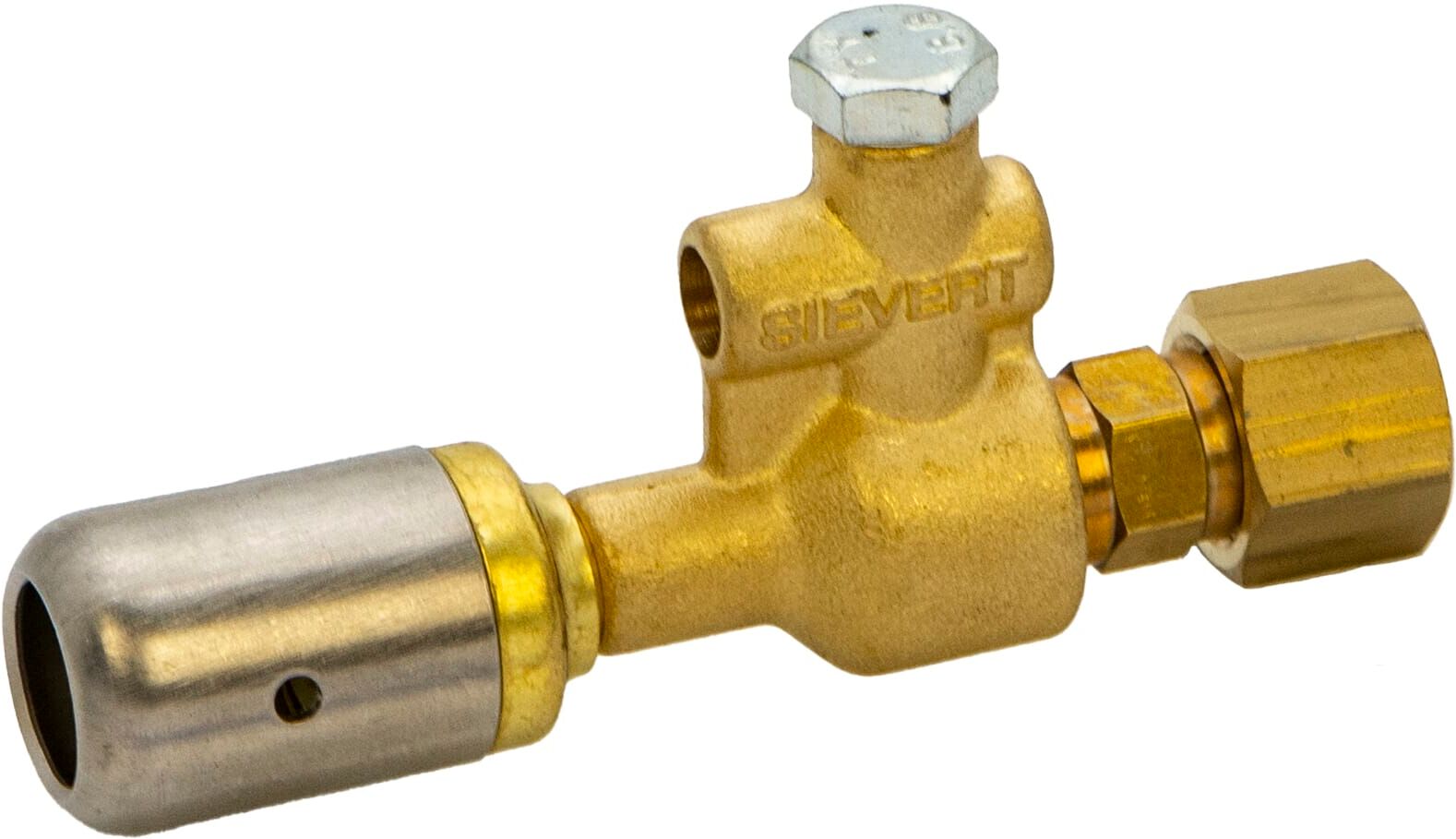
Sievert 305401 Hose Failure ValveSievert 305401 Hose Failure Valve – Essential Safety for Propane Gas Systems The Sievert 305401 Hose Failure Valve is a vital safety device designed to automatically shut off the gas supply in the event of a hose rupture or failure. Engineered for high-pressure propane gas systems, it ensures the protection and reliability of gas-powered equipment across various professional and industrial applications. Key Features Automatic Shut-Off – Instantly stops gas flow if a hose failure or rupture is detected, enhancing safety. High-Pressure Propane Compatibility – Designed to work seamlessly with high-pressure propane gas systems. Durable Construction – Built with high-quality mater26,40 £*Shipping: 5,00 £Secure redirect to the provider
-
How can one transition from interior design to architecture?
One can transition from interior design to architecture by pursuing further education and obtaining a degree in architecture. This will provide a deeper understanding of structural design, building systems, and construction methods. Additionally, gaining experience in architectural firms or working on architectural projects can help in making the transition. It is also important to develop a strong portfolio that showcases architectural design skills and knowledge. Networking with architects and seeking mentorship can also be beneficial in making the transition from interior design to architecture. **
-
What is the difference between interior design and architecture?
Interior design focuses on the aesthetic and functional aspects of the interior spaces within a building, including furniture, color schemes, and decor. It involves creating a cohesive and visually appealing environment that meets the needs and preferences of the occupants. On the other hand, architecture is the art and science of designing and constructing buildings and other physical structures. It encompasses the overall design, structural integrity, and functionality of the entire building, including the exterior and interior spaces. While interior design focuses on the interior environment, architecture encompasses the entire built environment. **
-
How can one switch from studying architecture to interior design?
To switch from studying architecture to interior design, one can start by researching the specific requirements and courses needed for a degree in interior design. It may be necessary to take additional classes or pursue a new degree program focused on interior design. Building a portfolio that showcases relevant skills and projects related to interior design can also help in making the transition. Networking with professionals in the interior design field and seeking internships or job opportunities in interior design firms can provide valuable experience and connections. **
-
Which course of study is better suited, architecture or interior design?
The choice between architecture and interior design depends on individual interests and career goals. Architecture focuses on the design and construction of buildings, including structural and technical aspects, while interior design focuses on creating functional and aesthetically pleasing interior spaces. If someone is more interested in the overall design and construction of buildings, architecture may be a better fit. However, if someone is more interested in creating interior spaces that are comfortable and visually appealing, interior design may be a better choice. Ultimately, both fields offer unique opportunities for creativity and professional growth. **
* All prices are inclusive of VAT and, if applicable, plus shipping costs. The offer information is based on the details provided by the respective shop and is updated through automated processes. Real-time updates do not occur, so deviations can occur in individual cases. ** Note: Parts of this content were created by AI.