Buy baubuero.eu ?
We are moving the project
baubuero.eu .
Are you interested in purchasing the domain
baubuero.eu ?
domain@kv-gmbh.de · 0541-91531010
Buy baubuero.eu ?
What is the difference between interior architecture and interior design?
Interior architecture focuses on the structural and spatial elements of a space, including the layout, flow, and functionality. It involves designing and coordinating the interior structure of a building, such as walls, ceilings, and floors. On the other hand, interior design focuses on the aesthetics and decorative aspects of a space, including furniture, color schemes, and accessories. It involves creating a cohesive and visually appealing environment that reflects the client's needs and style preferences. While interior architecture deals with the physical structure of a space, interior design focuses on the visual and decorative elements. **
How do you use a soldering iron for soldering?
To use a soldering iron for soldering, first plug in the soldering iron and allow it to heat up to the appropriate temperature for the solder you are using. Then, clean the tip of the soldering iron with a damp sponge to remove any residue. Next, apply a small amount of solder to the tip of the iron to help with heat transfer. Place the tip of the soldering iron on the joint you want to solder and apply the solder to the joint, not the iron. Once the joint is properly soldered, remove the solder and then the iron, allowing the joint to cool and solidify. **
Similar search terms for Soldering
Top-Angebote
Products related to Soldering:
-
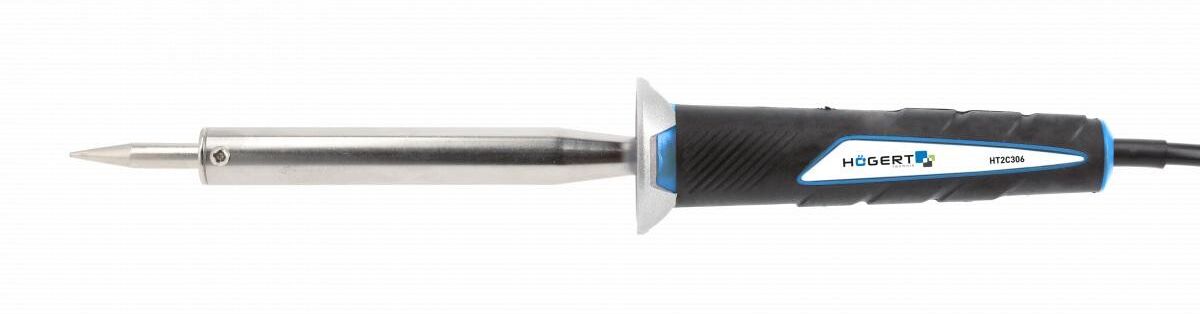
Hogert Technik HT2C306 Soldering IronColour: black; Rated Power [W]: 60; Operating temperature to [°C]: 550°C; Operating voltage to [V]: 230; Tool handle type: Ergonomically Shaped Handle, 2-piece grip; Nonslip: Nonslip; Needle Diameter [mm]: 6; Heat-up Time [min]: 3-515,49 £*Shipping: 8,45 £Secure redirect to the provider


-
Is soldering difficult?
Soldering can be difficult for beginners, as it requires precision and practice to master. The process involves heating a metal alloy to create a bond between two or more metal components, and it requires steady hands and attention to detail. However, with the right tools, techniques, and guidance, soldering can become easier over time. Practice and patience are key to becoming proficient at soldering. **
-
What is the difference between hard soldering and soft soldering?
Hard soldering, also known as silver soldering, involves using a solder with a higher melting point than soft soldering. This process requires temperatures above 600 degrees Celsius and creates a stronger bond between the metals being joined. Soft soldering, on the other hand, uses a lower melting point solder, typically below 450 degrees Celsius, and is commonly used for electronic components and plumbing. Soft soldering creates a less durable bond compared to hard soldering. **
-
Which replacement soldering tip fits the Lonove 926LEDIII soldering iron?
The Lonove 926LEDIII soldering iron is compatible with the T18 series soldering tips, which are commonly used with Hakko soldering irons. These tips are known for their high quality and durability, making them a popular choice among soldering enthusiasts. When looking for a replacement soldering tip for the Lonove 926LEDIII, it is recommended to choose a T18 series tip that best suits the specific soldering needs and preferences of the user. **
-
Who has ideas for improvising soldering without a soldering iron?
There are several ideas for improvising soldering without a soldering iron. One option is to use a small butane torch to heat the solder and the components to be joined. Another option is to use a soldering gun, which is a handheld tool that can generate enough heat to melt solder. Additionally, some people have had success using a hot air gun or even a wood-burning tool for soldering in a pinch. It's important to exercise caution and ensure proper ventilation when using alternative methods for soldering. **


What is better, product design or interior architecture?
The answer to whether product design or interior architecture is better ultimately depends on personal interests and career goals. Product design involves creating tangible objects that serve a specific function, while interior architecture focuses on designing interior spaces that enhance the user experience. Both fields offer unique opportunities for creativity and innovation, so it is important to consider which aligns more with your passions and strengths. Ultimately, the decision between product design and interior architecture should be based on individual preferences and career aspirations. **
How can one study architecture or interior design?
One can study architecture or interior design by enrolling in a formal education program such as a bachelor's or master's degree in architecture or interior design at a university or college. These programs typically cover design principles, building technology, history of architecture, and practical skills such as drafting and computer-aided design. Additionally, gaining practical experience through internships or apprenticeships with established architects or designers can provide valuable hands-on learning opportunities. Networking with professionals in the field and attending workshops, conferences, and exhibitions can also help in expanding one's knowledge and skills in architecture or interior design. **
Top-Angebote
Products related to Soldering:
-
What is the difference between interior architecture and interior design?
Interior architecture focuses on the structural and spatial elements of a space, including the layout, flow, and functionality. It involves designing and coordinating the interior structure of a building, such as walls, ceilings, and floors. On the other hand, interior design focuses on the aesthetics and decorative aspects of a space, including furniture, color schemes, and accessories. It involves creating a cohesive and visually appealing environment that reflects the client's needs and style preferences. While interior architecture deals with the physical structure of a space, interior design focuses on the visual and decorative elements. **
-
How do you use a soldering iron for soldering?
To use a soldering iron for soldering, first plug in the soldering iron and allow it to heat up to the appropriate temperature for the solder you are using. Then, clean the tip of the soldering iron with a damp sponge to remove any residue. Next, apply a small amount of solder to the tip of the iron to help with heat transfer. Place the tip of the soldering iron on the joint you want to solder and apply the solder to the joint, not the iron. Once the joint is properly soldered, remove the solder and then the iron, allowing the joint to cool and solidify. **
-
Is soldering difficult?
Soldering can be difficult for beginners, as it requires precision and practice to master. The process involves heating a metal alloy to create a bond between two or more metal components, and it requires steady hands and attention to detail. However, with the right tools, techniques, and guidance, soldering can become easier over time. Practice and patience are key to becoming proficient at soldering. **
-
What is the difference between hard soldering and soft soldering?
Hard soldering, also known as silver soldering, involves using a solder with a higher melting point than soft soldering. This process requires temperatures above 600 degrees Celsius and creates a stronger bond between the metals being joined. Soft soldering, on the other hand, uses a lower melting point solder, typically below 450 degrees Celsius, and is commonly used for electronic components and plumbing. Soft soldering creates a less durable bond compared to hard soldering. **
Similar search terms for Soldering
-
Hogert Technik HT2C306 Soldering IronColour: black; Rated Power [W]: 60; Operating temperature to [°C]: 550°C; Operating voltage to [V]: 230; Tool handle type: Ergonomically Shaped Handle, 2-piece grip; Nonslip: Nonslip; Needle Diameter [mm]: 6; Heat-up Time [min]: 3-515,49 £*Shipping: 8,45 £Secure redirect to the provider
-
Velocity Pro Gear Velocity Rogue 80 Soldering BagVelocity Rogue 80 Soldering Bag – Heavy-Duty Heatwork Tool Carrier The Velocity Rogue 80 Soldering Bag is the latest version of the PB Plumber range, tough and modern. Made from high-performance 1200D water-resistant fabric, reinforced with industrial-strength stitching and a 3.2mm polypropylene waterproof base, this soldering bag is built for the roughest site conditions. Designed for plumbing and soldering, the Rogue 80 gives you smart organisation with multiple dedicated holders for your gas bottle, removable wet rag pot, flux brush holder, pipe slice dock, fire extinguisher slot and more. Vertical pockets, corner storage and a big central compartment keep everything tidy and within reach. With updated styling, reinforced materials and professional-grade construction, the Rogue 80 is the ultimate193,64 £*Shipping: 0,00 £Secure redirect to the provider
-
Arctic Vortex Professional Soldering Mat 1800°C – 290 x 200mmVortex Professional Soldering Mat 1800°C – Heavy Duty Heat Protection The Vortex Professional Soldering Mat 1800°C (290 x 200mm) is the ultimate heat protection solution for soldering or brazing. With multi-layered construction and water-resistant backing this mat has the highest heat resistance in the Vortex range—up to 1800°C. For professional use, it gives protection to walls, floors and surfaces during high heat applications. Compact and tough this mat gives maximum insulation, long life and great performance with all Vortex brazing and soldering torches. Features Extreme Heat Resistance – Up to 1800°C for high intensity soldering and brazing tasks. Multi-Layered Build27,66 £*Shipping: 5,00 £Secure redirect to the provider
-
Which replacement soldering tip fits the Lonove 926LEDIII soldering iron?
The Lonove 926LEDIII soldering iron is compatible with the T18 series soldering tips, which are commonly used with Hakko soldering irons. These tips are known for their high quality and durability, making them a popular choice among soldering enthusiasts. When looking for a replacement soldering tip for the Lonove 926LEDIII, it is recommended to choose a T18 series tip that best suits the specific soldering needs and preferences of the user. **
-
Who has ideas for improvising soldering without a soldering iron?
There are several ideas for improvising soldering without a soldering iron. One option is to use a small butane torch to heat the solder and the components to be joined. Another option is to use a soldering gun, which is a handheld tool that can generate enough heat to melt solder. Additionally, some people have had success using a hot air gun or even a wood-burning tool for soldering in a pinch. It's important to exercise caution and ensure proper ventilation when using alternative methods for soldering. **
-
What is better, product design or interior architecture?
The answer to whether product design or interior architecture is better ultimately depends on personal interests and career goals. Product design involves creating tangible objects that serve a specific function, while interior architecture focuses on designing interior spaces that enhance the user experience. Both fields offer unique opportunities for creativity and innovation, so it is important to consider which aligns more with your passions and strengths. Ultimately, the decision between product design and interior architecture should be based on individual preferences and career aspirations. **
-
How can one study architecture or interior design?
One can study architecture or interior design by enrolling in a formal education program such as a bachelor's or master's degree in architecture or interior design at a university or college. These programs typically cover design principles, building technology, history of architecture, and practical skills such as drafting and computer-aided design. Additionally, gaining practical experience through internships or apprenticeships with established architects or designers can provide valuable hands-on learning opportunities. Networking with professionals in the field and attending workshops, conferences, and exhibitions can also help in expanding one's knowledge and skills in architecture or interior design. **
* All prices are inclusive of VAT and, if applicable, plus shipping costs. The offer information is based on the details provided by the respective shop and is updated through automated processes. Real-time updates do not occur, so deviations can occur in individual cases. ** Note: Parts of this content were created by AI.