Buy baubuero.eu ?
We are moving the project
baubuero.eu .
Are you interested in purchasing the domain
baubuero.eu ?
domain@kv-gmbh.de · 0541-91531010
Buy baubuero.eu ?
How can one season potato salad and pasta salad with marjoram?
To season potato salad and pasta salad with marjoram, start by adding a small amount of dried marjoram to the salad dressing or mayonnaise. You can also sprinkle some marjoram directly onto the cooked potatoes or pasta while they are still warm, allowing the herb to infuse its flavor into the dish. Additionally, you can mix fresh marjoram leaves into the salad for a burst of fresh herbal flavor. Be sure to taste the salad as you go and adjust the amount of marjoram to your preference. **
What are essential and non-essential needs?
Essential needs are items or services that are necessary for survival and well-being, such as food, water, shelter, and healthcare. Non-essential needs are things that are not necessary for survival but can enhance quality of life, such as entertainment, luxury items, and travel. Distinguishing between essential and non-essential needs can help individuals prioritize their spending and focus on what is most important for their overall well-being. **


Similar search terms for Terpenic-Lab-Marjoram-Essential
Top-Angebote
Products related to Terpenic-Lab-Marjoram-Essential:
-
Terpenic Lab Organic Marjoram Essential Oil 30 ml 30 mlNutrition and Supplements Natural Extracts Terpenic Lab Organic Marjoram Essential Oil 30 ml 30 ml Properties: Hypotensive, Calming, Vasodilator, Neurotonic, Antifungal, Antibacterial, Antispasmodic. Indications: Nervousness, Insomnia, Irritability, Hypertension, Spasmodic cough, Bronchitis, Sinusitis. Aromatic Family: Herbal Combines with: Nutmeg, Tunisian Rosemary, Cypress, Atlas Cedar Precautions: Do not use during the first 3 months of pregnancy. Dermocaustic, always use diluted.38,38 £*Shipping: 3,99 £Secure redirect to the provider
-
Terpenic Lab Organic Tuyanol Marjoram Essential Oil 30 ml 30 mlNutrition and Supplements Natural Extracts Terpenic Lab Organic Tuyanol Marjoram Essential Oil 30 ml 30 ml Essential oil obtained from Marjoram, to provide its calming, antispasmodic and toning properties of the nervous system. The active ingredients of this oily product come from the Origanum Marjoram plant. It constitutes an adjuvant to the immune system. It has antibacterial and antifungal properties. Likewise, it intervenes favorably in the circulatory system, being a vasodilator. In addition, it helps lower high blood pressure and tone the neurons of the central nervous system. It is antispasmodic. Ideal for toning the nervous, circulatory and immune systems. Aromatic Family: Herbal Combines with: Nutmeg, Tunisian rosemary, cypress, Atlas cedar Oral, dietary, topical and diffusion use. Precautions: Do not use during the first 3 months of pregnancy. Dermocaustic, always use diluted.54,37 £*Shipping: 3,99 £Secure redirect to the provider
-
Terpenic Lab Petitgrain Essential Oil 10mlHealth and Beauty First aid kit Terpenic Lab Petitgrain Essential Oil 10ml Properties: Antidepressant, Antispasmodic, Sedative, Tissue regenerator, Anti-inflammatory Indications: Tachycardia, Arrhythmia, Hypertension, Colitis, Stress, Anxiety, Nervous Spasms Aromatic Family: Citrus Combines with: Lavender, Star Anise, Lavandino. Precautions: Do not use during the first 3 months of pregnancy.6,29 £*Shipping: 3,99 £Secure redirect to the provider
-
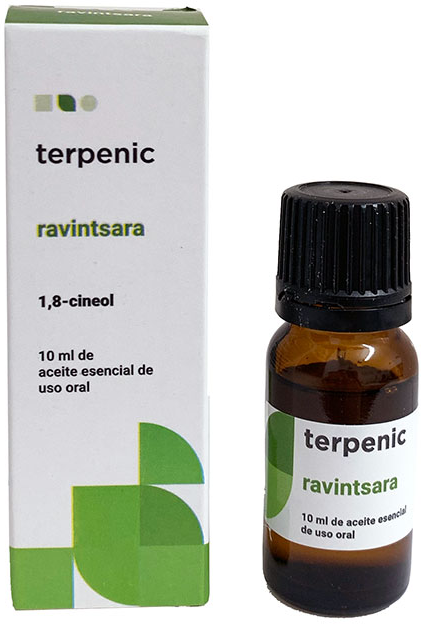
Terpenic Lab Ravintsara Essential Oil 10mlNutrition and Supplements Natural Extracts Terpenic Lab Ravintsara Essential Oil 10ml Properties: Antiviral, Antimicrobial, Expectorant, Spasmolytic, Anti-inflammatory, Immunostimulant. Indications: Bronchitis, Flu, Cough, Herpes, Environmental antiseptic, muscle contractures. Do not confuse with Ravensara. Food, topical and oral use.10,16 £*Shipping: 3,99 £Secure redirect to the provider



-
What is the difference between interior architecture and interior design?
Interior architecture focuses on the structural and spatial elements of a space, including the layout, flow, and functionality. It involves designing and coordinating the interior structure of a building, such as walls, ceilings, and floors. On the other hand, interior design focuses on the aesthetics and decorative aspects of a space, including furniture, color schemes, and accessories. It involves creating a cohesive and visually appealing environment that reflects the client's needs and style preferences. While interior architecture deals with the physical structure of a space, interior design focuses on the visual and decorative elements. **
-
What are essential and non-essential amino acids?
Essential amino acids are amino acids that cannot be synthesized by the body and must be obtained from the diet. There are nine essential amino acids: histidine, isoleucine, leucine, lysine, methionine, phenylalanine, threonine, tryptophan, and valine. Non-essential amino acids, on the other hand, are amino acids that the body can produce on its own, so they do not need to be obtained from the diet. There are 11 non-essential amino acids: alanine, arginine, asparagine, aspartic acid, cysteine, glutamic acid, glutamine, glycine, proline, serine, and tyrosine. Both essential and non-essential amino acids are crucial for the synthesis of proteins and other important molecules in the body. **
-
What is better, product design or interior architecture?
The answer to whether product design or interior architecture is better ultimately depends on personal interests and career goals. Product design involves creating tangible objects that serve a specific function, while interior architecture focuses on designing interior spaces that enhance the user experience. Both fields offer unique opportunities for creativity and innovation, so it is important to consider which aligns more with your passions and strengths. Ultimately, the decision between product design and interior architecture should be based on individual preferences and career aspirations. **
-
How can one study architecture or interior design?
One can study architecture or interior design by enrolling in a formal education program such as a bachelor's or master's degree in architecture or interior design at a university or college. These programs typically cover design principles, building technology, history of architecture, and practical skills such as drafting and computer-aided design. Additionally, gaining practical experience through internships or apprenticeships with established architects or designers can provide valuable hands-on learning opportunities. Networking with professionals in the field and attending workshops, conferences, and exhibitions can also help in expanding one's knowledge and skills in architecture or interior design. **

How can one transition from interior design to architecture?
One can transition from interior design to architecture by pursuing further education and obtaining a degree in architecture. This will provide a deeper understanding of structural design, building systems, and construction methods. Additionally, gaining experience in architectural firms or working on architectural projects can help in making the transition. It is also important to develop a strong portfolio that showcases architectural design skills and knowledge. Networking with architects and seeking mentorship can also be beneficial in making the transition from interior design to architecture. **
What is the difference between interior design and architecture?
Interior design focuses on the aesthetic and functional aspects of the interior spaces within a building, including furniture, color schemes, and decor. It involves creating a cohesive and visually appealing environment that meets the needs and preferences of the occupants. On the other hand, architecture is the art and science of designing and constructing buildings and other physical structures. It encompasses the overall design, structural integrity, and functionality of the entire building, including the exterior and interior spaces. While interior design focuses on the interior environment, architecture encompasses the entire built environment. **
Top-Angebote
Products related to Terpenic-Lab-Marjoram-Essential:
-
Terpenic Lab Marjoram Essential Oil 5 mlNutrition and Supplements Natural Extracts Terpenic Lab Marjoram Essential Oil 5 ml Organic essential oil for oral use, 100% pure, whole, natural, and chemotyped. It has relaxing and calming properties due to its powerful action on the parasympathetic nervous system.8,99 £*Shipping: 3,99 £Secure redirect to the provider
-
Terpenic Lab Organic Marjoram Essential Oil 5 mlNutrition and Supplements Natural Extracts Terpenic Lab Organic Marjoram Essential Oil 5 ml Marjoram (Origanum majorana) should not be confused with its cousin, oregano (Origanum compactum), as they are similar plants belonging to the same species. However, their essential oil and therapeutic applications are distinct. This plant should also not be confused with another plant also sometimes called marjoram: Thymus mastichina, which grows abundantly in central Spain (Avila, Tietar Valley). Legend has it that it was the goddess Aphrodite who gave marjoram its fragrance by caressing its leaves. The Egyptians already cultivated it; it was dedicated to the god Osiris and used for embalming. In Roman and Greek times, newlyweds wore marjoram wreaths as a symbol of happiness and fertility. It was already credited with relieving joint and muscle pain, and the Romans appreciated its use for stomach discomfort. Marjoram is native to North Africa and Egypt, and grows throughout the Mediterranean region, primarily in France, Spain, and Hungary. The essential oil is extracted from the flowers by steam distillation. 100 kg of flowers yields approximately 300 ml of essential oil. Marjoram essential oil (Origanum majorana) is very useful for treating nervous disorders and all their repercussions on the body. Therapeutic properties: - Antibacterial Analgesic - Calming and relaxing of the central nervous system - Nervous rebalancing, neurotonic - Digestive tonic - Antispasmodic Therapeutic indications: Neurovegetative dystonias and their manifestations: - Tachycardia, arrhythmias, hypertension, anxiety, anguish, stress, agitation, nervousness, hyper-emotionality, insomnia - Nervous asthma, dyspnea, osteoarthritis, arthritis, contractures - Tinnitus Respiratory infections.13,92 £*Shipping: 3,99 £Secure redirect to the provider
-
Terpenic Lab Organic Marjoram Essential Oil 30 ml 30 mlNutrition and Supplements Natural Extracts Terpenic Lab Organic Marjoram Essential Oil 30 ml 30 ml Properties: Hypotensive, Calming, Vasodilator, Neurotonic, Antifungal, Antibacterial, Antispasmodic. Indications: Nervousness, Insomnia, Irritability, Hypertension, Spasmodic cough, Bronchitis, Sinusitis. Aromatic Family: Herbal Combines with: Nutmeg, Tunisian Rosemary, Cypress, Atlas Cedar Precautions: Do not use during the first 3 months of pregnancy. Dermocaustic, always use diluted.38,38 £*Shipping: 3,99 £Secure redirect to the provider
-
Terpenic Lab Organic Tuyanol Marjoram Essential Oil 30 ml 30 mlNutrition and Supplements Natural Extracts Terpenic Lab Organic Tuyanol Marjoram Essential Oil 30 ml 30 ml Essential oil obtained from Marjoram, to provide its calming, antispasmodic and toning properties of the nervous system. The active ingredients of this oily product come from the Origanum Marjoram plant. It constitutes an adjuvant to the immune system. It has antibacterial and antifungal properties. Likewise, it intervenes favorably in the circulatory system, being a vasodilator. In addition, it helps lower high blood pressure and tone the neurons of the central nervous system. It is antispasmodic. Ideal for toning the nervous, circulatory and immune systems. Aromatic Family: Herbal Combines with: Nutmeg, Tunisian rosemary, cypress, Atlas cedar Oral, dietary, topical and diffusion use. Precautions: Do not use during the first 3 months of pregnancy. Dermocaustic, always use diluted.54,37 £*Shipping: 3,99 £Secure redirect to the provider
-
How can one season potato salad and pasta salad with marjoram?
To season potato salad and pasta salad with marjoram, start by adding a small amount of dried marjoram to the salad dressing or mayonnaise. You can also sprinkle some marjoram directly onto the cooked potatoes or pasta while they are still warm, allowing the herb to infuse its flavor into the dish. Additionally, you can mix fresh marjoram leaves into the salad for a burst of fresh herbal flavor. Be sure to taste the salad as you go and adjust the amount of marjoram to your preference. **
-
What are essential and non-essential needs?
Essential needs are items or services that are necessary for survival and well-being, such as food, water, shelter, and healthcare. Non-essential needs are things that are not necessary for survival but can enhance quality of life, such as entertainment, luxury items, and travel. Distinguishing between essential and non-essential needs can help individuals prioritize their spending and focus on what is most important for their overall well-being. **
-
What is the difference between interior architecture and interior design?
Interior architecture focuses on the structural and spatial elements of a space, including the layout, flow, and functionality. It involves designing and coordinating the interior structure of a building, such as walls, ceilings, and floors. On the other hand, interior design focuses on the aesthetics and decorative aspects of a space, including furniture, color schemes, and accessories. It involves creating a cohesive and visually appealing environment that reflects the client's needs and style preferences. While interior architecture deals with the physical structure of a space, interior design focuses on the visual and decorative elements. **
-
What are essential and non-essential amino acids?
Essential amino acids are amino acids that cannot be synthesized by the body and must be obtained from the diet. There are nine essential amino acids: histidine, isoleucine, leucine, lysine, methionine, phenylalanine, threonine, tryptophan, and valine. Non-essential amino acids, on the other hand, are amino acids that the body can produce on its own, so they do not need to be obtained from the diet. There are 11 non-essential amino acids: alanine, arginine, asparagine, aspartic acid, cysteine, glutamic acid, glutamine, glycine, proline, serine, and tyrosine. Both essential and non-essential amino acids are crucial for the synthesis of proteins and other important molecules in the body. **
Similar search terms for Terpenic-Lab-Marjoram-Essential
-
Terpenic Lab Petitgrain Essential Oil 10mlHealth and Beauty First aid kit Terpenic Lab Petitgrain Essential Oil 10ml Properties: Antidepressant, Antispasmodic, Sedative, Tissue regenerator, Anti-inflammatory Indications: Tachycardia, Arrhythmia, Hypertension, Colitis, Stress, Anxiety, Nervous Spasms Aromatic Family: Citrus Combines with: Lavender, Star Anise, Lavandino. Precautions: Do not use during the first 3 months of pregnancy.6,29 £*Shipping: 3,99 £Secure redirect to the provider
-
Terpenic Lab Ravintsara Essential Oil 10mlNutrition and Supplements Natural Extracts Terpenic Lab Ravintsara Essential Oil 10ml Properties: Antiviral, Antimicrobial, Expectorant, Spasmolytic, Anti-inflammatory, Immunostimulant. Indications: Bronchitis, Flu, Cough, Herpes, Environmental antiseptic, muscle contractures. Do not confuse with Ravensara. Food, topical and oral use.10,16 £*Shipping: 3,99 £Secure redirect to the provider
-
Terpenic Lab Ravintsara Essential Oil 30mlNutrition and Supplements Natural Extracts Terpenic Lab Ravintsara Essential Oil 30ml Properties: Antiviral, Antimicrobial, Expectorant, Spasmolytic, Anti-inflammatory, Immunostimulant. Indications: Bronchitis, Flu, Cough, Herpes, Environmental antiseptic, muscle contractures. Not to be confused with Ravensara. Food, topical and oral use.25,94 £*Shipping: 3,99 £Secure redirect to the provider
-
Terpenic Lab Basil Essential Oil 10 mlHealth and Beauty First aid kit Terpenic Lab Basil Essential Oil 10 ml Basil Essential Oil has been valued for its properties as: Analgesic-calming, antispasmodic, anti-inflammatory, cephalic, antidepressant, antineuralgic, tissue firming, insect repellent, rubefacient, sudorific. Precautions for use: Do not use undiluted (3 drops of EO/5 drops of vegetable oil). At high doses, it may have narcotic effects. It may irritate sensitive skin (dermocaustic).9,94 £*Shipping: 3,99 £Secure redirect to the provider
-
What is better, product design or interior architecture?
The answer to whether product design or interior architecture is better ultimately depends on personal interests and career goals. Product design involves creating tangible objects that serve a specific function, while interior architecture focuses on designing interior spaces that enhance the user experience. Both fields offer unique opportunities for creativity and innovation, so it is important to consider which aligns more with your passions and strengths. Ultimately, the decision between product design and interior architecture should be based on individual preferences and career aspirations. **
-
How can one study architecture or interior design?
One can study architecture or interior design by enrolling in a formal education program such as a bachelor's or master's degree in architecture or interior design at a university or college. These programs typically cover design principles, building technology, history of architecture, and practical skills such as drafting and computer-aided design. Additionally, gaining practical experience through internships or apprenticeships with established architects or designers can provide valuable hands-on learning opportunities. Networking with professionals in the field and attending workshops, conferences, and exhibitions can also help in expanding one's knowledge and skills in architecture or interior design. **
-
How can one transition from interior design to architecture?
One can transition from interior design to architecture by pursuing further education and obtaining a degree in architecture. This will provide a deeper understanding of structural design, building systems, and construction methods. Additionally, gaining experience in architectural firms or working on architectural projects can help in making the transition. It is also important to develop a strong portfolio that showcases architectural design skills and knowledge. Networking with architects and seeking mentorship can also be beneficial in making the transition from interior design to architecture. **
-
What is the difference between interior design and architecture?
Interior design focuses on the aesthetic and functional aspects of the interior spaces within a building, including furniture, color schemes, and decor. It involves creating a cohesive and visually appealing environment that meets the needs and preferences of the occupants. On the other hand, architecture is the art and science of designing and constructing buildings and other physical structures. It encompasses the overall design, structural integrity, and functionality of the entire building, including the exterior and interior spaces. While interior design focuses on the interior environment, architecture encompasses the entire built environment. **
* All prices are inclusive of VAT and, if applicable, plus shipping costs. The offer information is based on the details provided by the respective shop and is updated through automated processes. Real-time updates do not occur, so deviations can occur in individual cases. ** Note: Parts of this content were created by AI.