Buy baubuero.eu ?
We are moving the project
baubuero.eu .
Are you interested in purchasing the domain
baubuero.eu ?
domain@kv-gmbh.de · 0541-91531010
Buy baubuero.eu ?
What is the difference between interior architecture and interior design?
Interior architecture focuses on the structural and spatial elements of a space, including the layout, flow, and functionality. It involves designing and coordinating the interior structure of a building, such as walls, ceilings, and floors. On the other hand, interior design focuses on the aesthetics and decorative aspects of a space, including furniture, color schemes, and accessories. It involves creating a cohesive and visually appealing environment that reflects the client's needs and style preferences. While interior architecture deals with the physical structure of a space, interior design focuses on the visual and decorative elements. **
What do you understand by a Future Retro Design?
Future Retro Design is a design concept that combines elements of futuristic and retro styles. It involves taking inspiration from past design aesthetics, such as the 1950s, 60s, or 70s, and reimagining them in a modern and futuristic way. This design approach often involves incorporating vintage elements with a contemporary twist, creating a unique and nostalgic yet forward-looking aesthetic. Future Retro Design aims to evoke a sense of nostalgia while also embracing innovation and technology. **

Similar search terms for Uplifted-Finds-Decorative-Retro
Top-Angebote
Products related to Uplifted-Finds-Decorative-Retro:
-
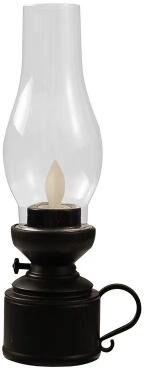
Uplifted Finds Vintage LED Lantern Retro Design Battery Operated Decorative Hanging Oil Lamp For Home Decor whiteCommand ultimate atmospheric confidence with this Vintage LED Lantern, a highperformance lighting solution specifically engineered to act as a comprehensive tool for elite organization and superior technical ergonomics. Built with a robust...57,97 $*Shipping: 0,00 $Secure redirect to the provider
-
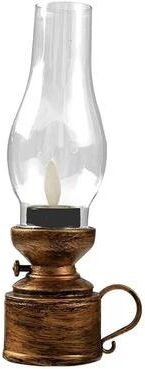
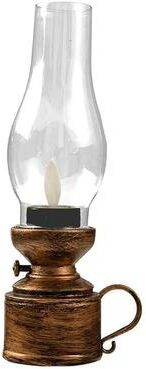
Uplifted Finds Vintage Retro Design LED Hanging Oil Lamp copperAdd a touch of classic elegance to your home with this HighPerformance Vintage LED Hanging Oil Lamp, specifically engineered as a specialized decorative tool for holiday displays, Christmas gifts, and antiquestyle home decor. This industrialstandard...91,97 $*Shipping: 0,00 $Secure redirect to the provider
-
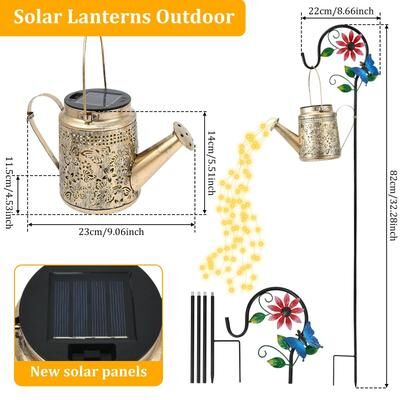
Uplifted Finds Decorative Retro Solar Hanging Iron Art Lantern aTake absolute control of your landscape real estate and establish flawless luminous order over your outdoor environments with this premium retro solar hanging iron art lantern. Masterfully engineered as a highefficiency photovoltaic illumination...186,97 $*Shipping: 0,00 $Secure redirect to the provider
-
Uplifted Finds Decorative Retro Solar Hanging Iron Art Lantern warm WhiteTake absolute control of your landscape real estate and establish flawless luminous order over your outdoor environments with this premium retro solar hanging iron art lantern. Masterfully engineered as a highefficiency photovoltaic illumination...151,97 $*Shipping: 0,00 $Secure redirect to the provider


-
What is better, product design or interior architecture?
The answer to whether product design or interior architecture is better ultimately depends on personal interests and career goals. Product design involves creating tangible objects that serve a specific function, while interior architecture focuses on designing interior spaces that enhance the user experience. Both fields offer unique opportunities for creativity and innovation, so it is important to consider which aligns more with your passions and strengths. Ultimately, the decision between product design and interior architecture should be based on individual preferences and career aspirations. **
-
How can one study architecture or interior design?
One can study architecture or interior design by enrolling in a formal education program such as a bachelor's or master's degree in architecture or interior design at a university or college. These programs typically cover design principles, building technology, history of architecture, and practical skills such as drafting and computer-aided design. Additionally, gaining practical experience through internships or apprenticeships with established architects or designers can provide valuable hands-on learning opportunities. Networking with professionals in the field and attending workshops, conferences, and exhibitions can also help in expanding one's knowledge and skills in architecture or interior design. **
-
How are decorative items stored?
Decorative items are typically stored in various ways depending on their size, fragility, and material. Smaller decorative items such as figurines or vases are often stored in cabinets, shelves, or display cases to keep them safe and organized. Larger decorative items like sculptures or artwork may be stored in dedicated storage areas such as a closet or attic, or they may be displayed in a prominent location within a room. Fragile decorative items like glassware or ceramics are usually wrapped in protective materials such as bubble wrap or tissue paper before being stored to prevent damage. **
-
Which decorative plaster is this?
This is Venetian plaster, a type of decorative plaster that originated in Italy. It is known for its smooth, glossy finish that resembles polished marble. Venetian plaster is made from slaked lime and marble dust, giving it a luxurious and elegant appearance. It is often used to create a sophisticated and timeless look in interior design. **
Can decorative swords be sharpened?
Yes, decorative swords can be sharpened. However, it is important to consider the purpose of the sword and the materials it is made of before sharpening it. Some decorative swords are not designed for practical use and may not hold an edge well, while others are made of high-quality materials and can be sharpened for functional use. It is best to consult with a professional or someone experienced in sword maintenance before attempting to sharpen a decorative sword. **
How can one transition from interior design to architecture?
One can transition from interior design to architecture by pursuing further education and obtaining a degree in architecture. This will provide a deeper understanding of structural design, building systems, and construction methods. Additionally, gaining experience in architectural firms or working on architectural projects can help in making the transition. It is also important to develop a strong portfolio that showcases architectural design skills and knowledge. Networking with architects and seeking mentorship can also be beneficial in making the transition from interior design to architecture. **
Top-Angebote
Products related to Uplifted-Finds-Decorative-Retro:
-
Uplifted Finds Decorative Retro Solar Hanging Iron Art Lantern bTake absolute control of your landscape real estate and establish flawless luminous order over your outdoor environments with this premium retro solar hanging iron art lantern. Masterfully engineered as a highefficiency photovoltaic illumination...191,97 $*Shipping: 0,00 $Secure redirect to the provider
-
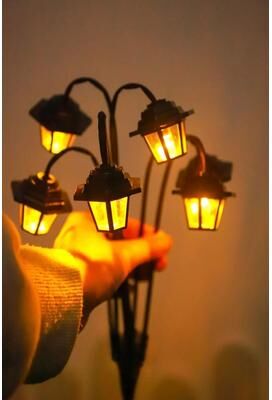
Uplifted Finds Solar Powered Retro Lantern 6 LED Decorative Outdoor Light Solar Powered Retro Lantern 6 LED Decorative Outdoor LightIlluminate your garden or courtyard with this solarpowered retro lantern featuring six warm LED lights. Designed in a vintage street lamp shape, it's perfect for adding charm and soft ambient lighting to outdoor spaces. Solarcharged by day, it...71,97 $*Shipping: 0,00 $Secure redirect to the provider
-
Uplifted Finds Vintage LED Lantern Retro Design Battery Operated Decorative Hanging Oil Lamp For Home Decor whiteCommand ultimate atmospheric confidence with this Vintage LED Lantern, a highperformance lighting solution specifically engineered to act as a comprehensive tool for elite organization and superior technical ergonomics. Built with a robust...57,97 $*Shipping: 0,00 $Secure redirect to the provider
-
Uplifted Finds Vintage Retro Design LED Hanging Oil Lamp copperAdd a touch of classic elegance to your home with this HighPerformance Vintage LED Hanging Oil Lamp, specifically engineered as a specialized decorative tool for holiday displays, Christmas gifts, and antiquestyle home decor. This industrialstandard...91,97 $*Shipping: 0,00 $Secure redirect to the provider
-
What is the difference between interior architecture and interior design?
Interior architecture focuses on the structural and spatial elements of a space, including the layout, flow, and functionality. It involves designing and coordinating the interior structure of a building, such as walls, ceilings, and floors. On the other hand, interior design focuses on the aesthetics and decorative aspects of a space, including furniture, color schemes, and accessories. It involves creating a cohesive and visually appealing environment that reflects the client's needs and style preferences. While interior architecture deals with the physical structure of a space, interior design focuses on the visual and decorative elements. **
-
What do you understand by a Future Retro Design?
Future Retro Design is a design concept that combines elements of futuristic and retro styles. It involves taking inspiration from past design aesthetics, such as the 1950s, 60s, or 70s, and reimagining them in a modern and futuristic way. This design approach often involves incorporating vintage elements with a contemporary twist, creating a unique and nostalgic yet forward-looking aesthetic. Future Retro Design aims to evoke a sense of nostalgia while also embracing innovation and technology. **
-
What is better, product design or interior architecture?
The answer to whether product design or interior architecture is better ultimately depends on personal interests and career goals. Product design involves creating tangible objects that serve a specific function, while interior architecture focuses on designing interior spaces that enhance the user experience. Both fields offer unique opportunities for creativity and innovation, so it is important to consider which aligns more with your passions and strengths. Ultimately, the decision between product design and interior architecture should be based on individual preferences and career aspirations. **
-
How can one study architecture or interior design?
One can study architecture or interior design by enrolling in a formal education program such as a bachelor's or master's degree in architecture or interior design at a university or college. These programs typically cover design principles, building technology, history of architecture, and practical skills such as drafting and computer-aided design. Additionally, gaining practical experience through internships or apprenticeships with established architects or designers can provide valuable hands-on learning opportunities. Networking with professionals in the field and attending workshops, conferences, and exhibitions can also help in expanding one's knowledge and skills in architecture or interior design. **
Similar search terms for Uplifted-Finds-Decorative-Retro
-
Uplifted Finds Decorative Retro Solar Hanging Iron Art Lantern aTake absolute control of your landscape real estate and establish flawless luminous order over your outdoor environments with this premium retro solar hanging iron art lantern. Masterfully engineered as a highefficiency photovoltaic illumination...186,97 $*Shipping: 0,00 $Secure redirect to the provider
-
Uplifted Finds Decorative Retro Solar Hanging Iron Art Lantern warm WhiteTake absolute control of your landscape real estate and establish flawless luminous order over your outdoor environments with this premium retro solar hanging iron art lantern. Masterfully engineered as a highefficiency photovoltaic illumination...151,97 $*Shipping: 0,00 $Secure redirect to the provider
-
Uplifted Finds Vintage LED Lantern Retro Design Battery Operated Decorative Hanging Oil Lamp For Home Decor blackCommand ultimate atmospheric confidence with this Vintage LED Lantern, a highperformance lighting solution specifically engineered to act as a comprehensive tool for elite organization and superior technical ergonomics. Built with a robust...57,97 $*Shipping: 0,00 $Secure redirect to the provider
-
Uplifted Finds Vintage LED Lantern Retro Design Battery Operated Decorative Hanging Oil Lamp For Home Decor copperCommand ultimate atmospheric confidence with this Vintage LED Lantern, a highperformance lighting solution specifically engineered to act as a comprehensive tool for elite organization and superior technical ergonomics. Built with a robust...57,97 $*Shipping: 0,00 $Secure redirect to the provider
-
How are decorative items stored?
Decorative items are typically stored in various ways depending on their size, fragility, and material. Smaller decorative items such as figurines or vases are often stored in cabinets, shelves, or display cases to keep them safe and organized. Larger decorative items like sculptures or artwork may be stored in dedicated storage areas such as a closet or attic, or they may be displayed in a prominent location within a room. Fragile decorative items like glassware or ceramics are usually wrapped in protective materials such as bubble wrap or tissue paper before being stored to prevent damage. **
-
Which decorative plaster is this?
This is Venetian plaster, a type of decorative plaster that originated in Italy. It is known for its smooth, glossy finish that resembles polished marble. Venetian plaster is made from slaked lime and marble dust, giving it a luxurious and elegant appearance. It is often used to create a sophisticated and timeless look in interior design. **
-
Can decorative swords be sharpened?
Yes, decorative swords can be sharpened. However, it is important to consider the purpose of the sword and the materials it is made of before sharpening it. Some decorative swords are not designed for practical use and may not hold an edge well, while others are made of high-quality materials and can be sharpened for functional use. It is best to consult with a professional or someone experienced in sword maintenance before attempting to sharpen a decorative sword. **
-
How can one transition from interior design to architecture?
One can transition from interior design to architecture by pursuing further education and obtaining a degree in architecture. This will provide a deeper understanding of structural design, building systems, and construction methods. Additionally, gaining experience in architectural firms or working on architectural projects can help in making the transition. It is also important to develop a strong portfolio that showcases architectural design skills and knowledge. Networking with architects and seeking mentorship can also be beneficial in making the transition from interior design to architecture. **
* All prices are inclusive of VAT and, if applicable, plus shipping costs. The offer information is based on the details provided by the respective shop and is updated through automated processes. Real-time updates do not occur, so deviations can occur in individual cases. ** Note: Parts of this content were created by AI.